
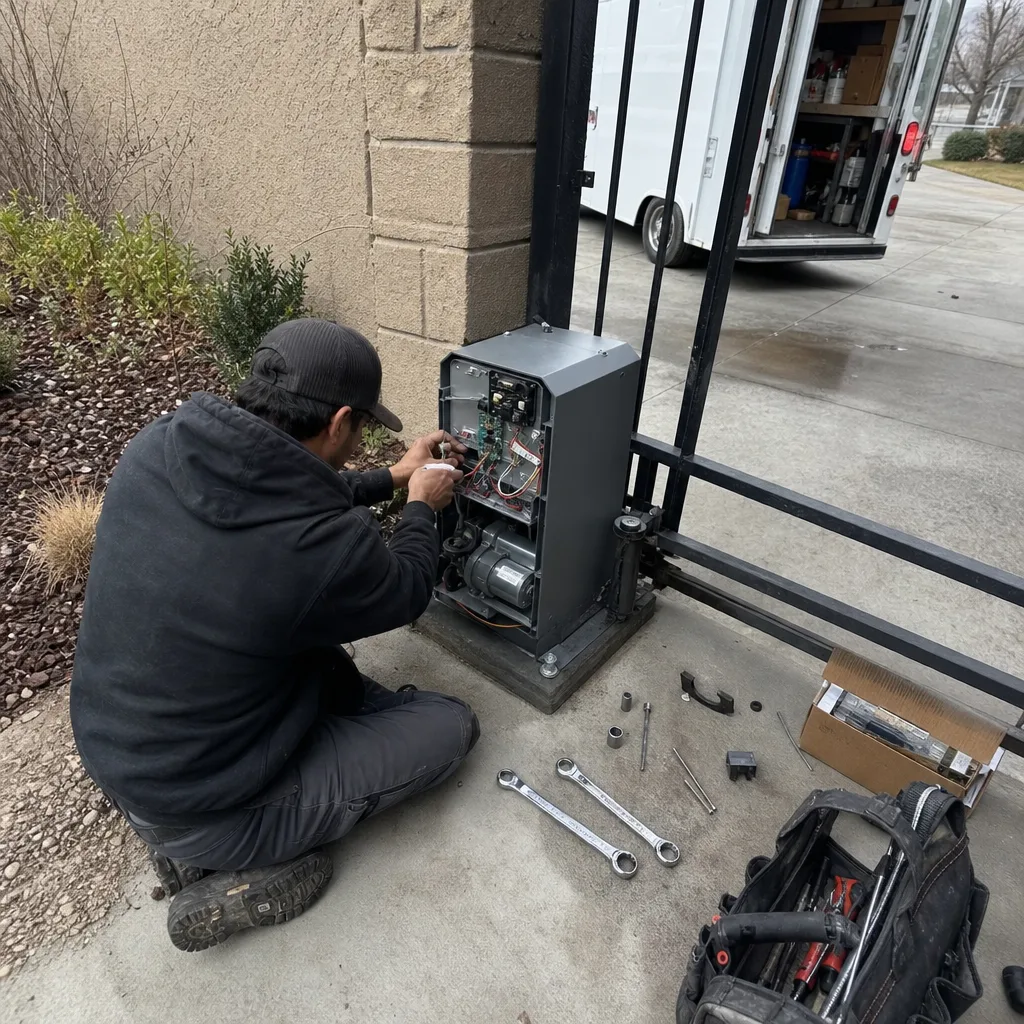
Last updated November 15, 2026
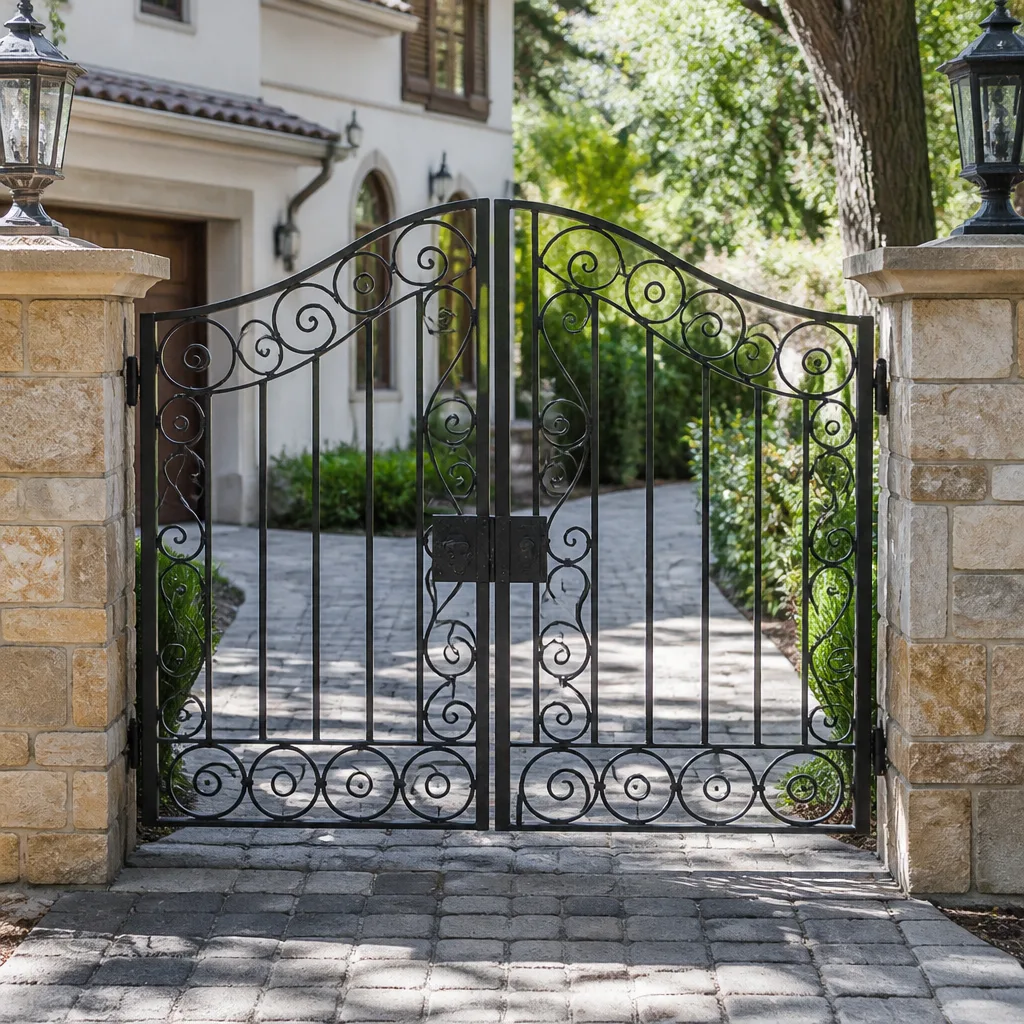 Wrought iron
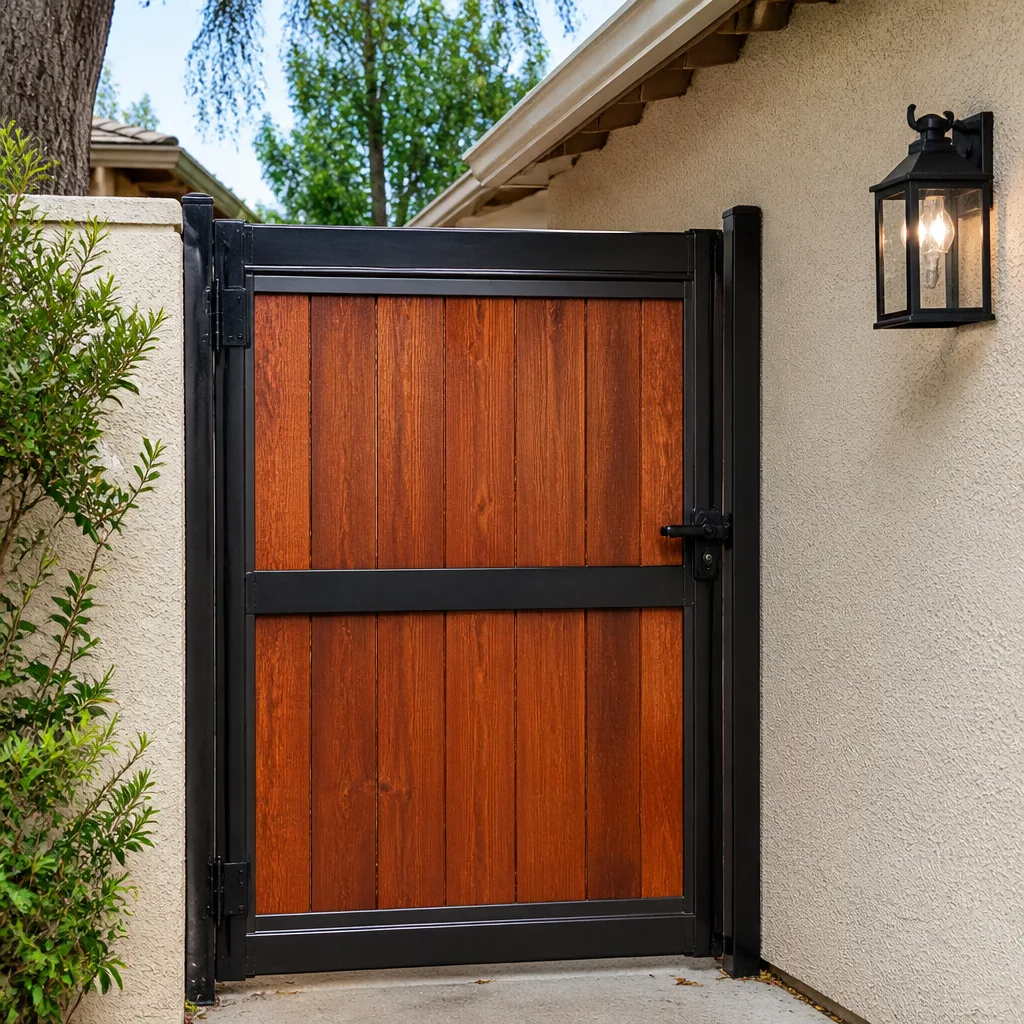 Wood & steel frame
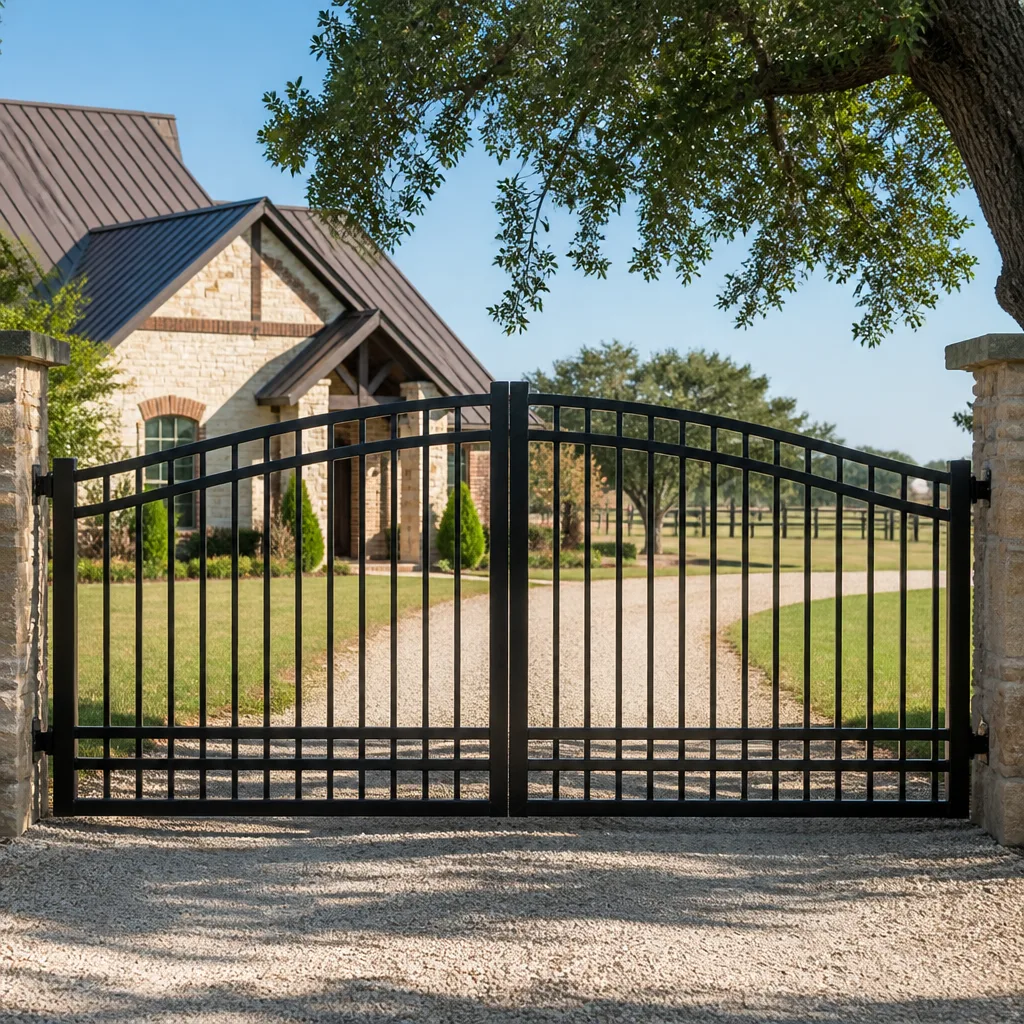 Farm & ranch
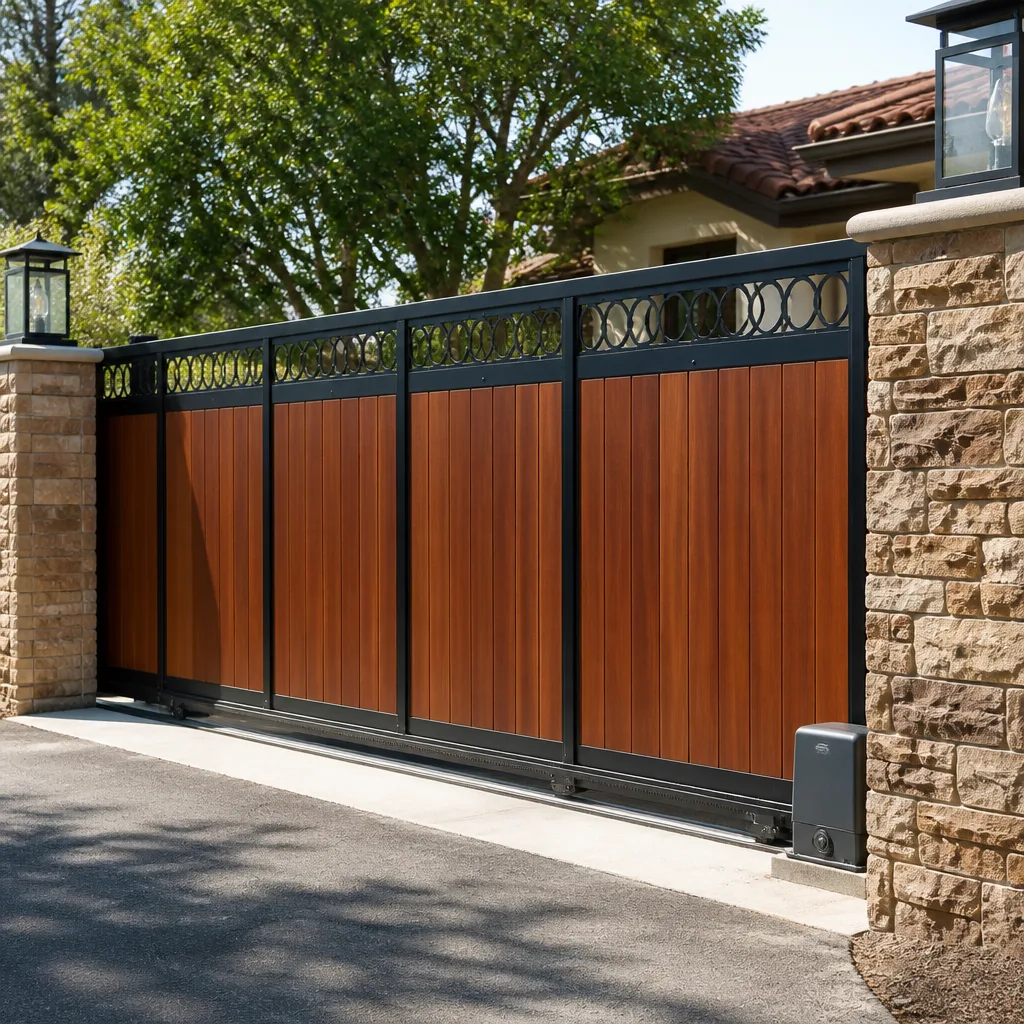 Sliding driveway gates
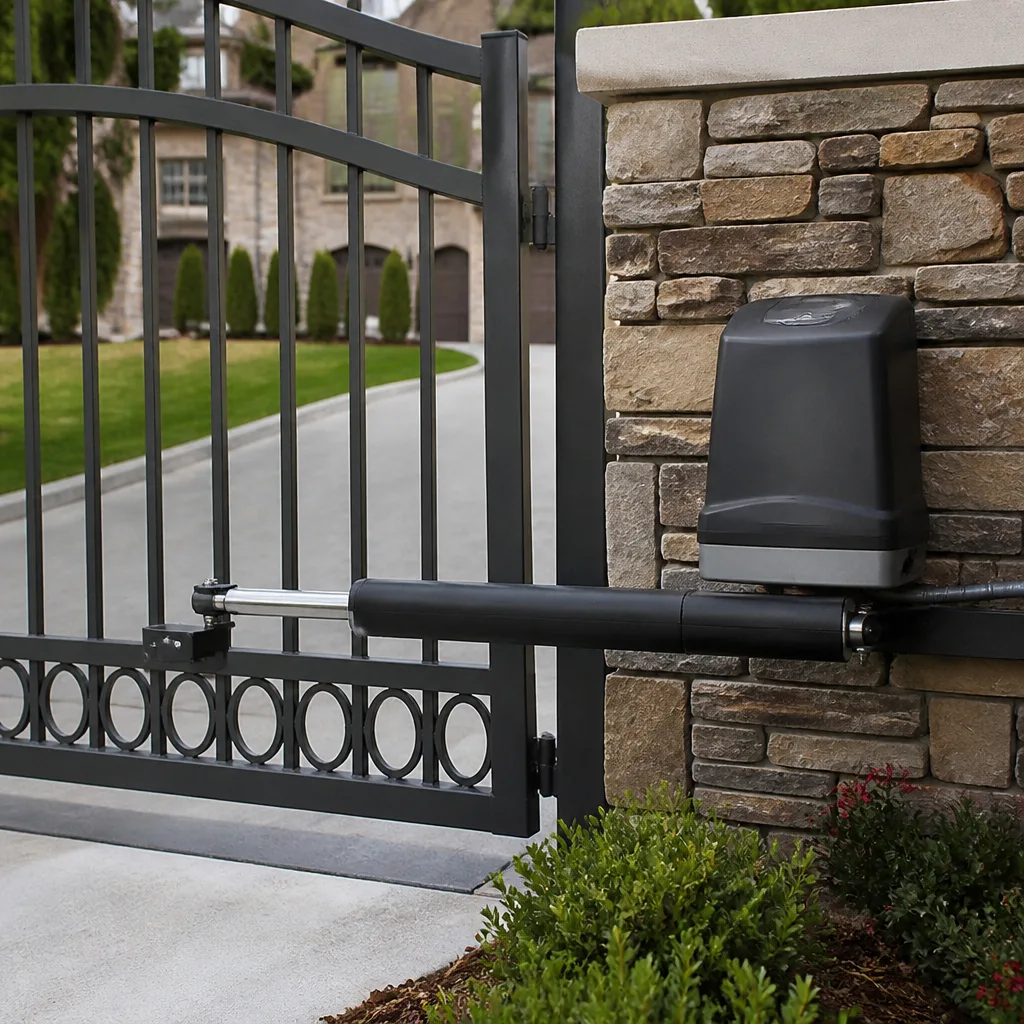 LiftMaster operators
Free on-site gate assessment - hinges, posts, and your LiftMaster or Nice gate operator checked before anything is quoted
The assessment is free and the quote is the invoice.
Get your free estimateHow to Hire a Gate Repair Contractor in Thornton: A Step-by-Step Guide
Most people hire a gate contractor the same way they’d hire a fence builder: they search, they call the first name that looks official, and they hope for the best. That’s the problem. A fence company that lists gate repair as a “secondary service” is guessing at diagnostics, and you pay for their learning curve. Gates are their own trade, with their own hardware, their own failure patterns, and their own code requirements. This guide walks you through exactly how to tell a gate specialist from a generalist before you hand over any money in Thornton.
Quick Answer
In Thornton, hire a gate repair contractor by first confirming they specialize in gates rather than fencing or garage doors. Ask four diagnostic questions about your gate’s brand and failure mode, demand a written estimate with itemized parts and labor, and verify state licensing and insurance that specifically covers automated gate systems. A contractor who can’t answer brand-specific questions before arriving isn’t a gate specialist.
Styles & brands we work with
- Wrought iron
- Wood & steel frame
- Farm & ranch
- Sliding driveway gates
- LiftMaster operators
Table of Contents
- Why Thornton Homeowners Should Hire a Gate Specialist, Not a Generalist
- What License and Insurance Coverage Should a Gate Contractor Carry in Colorado?
- Four Diagnostic Questions That Reveal Whether a Company Specializes in Gates
- How to Read a Gate Repair Estimate: Competence vs. Vague Line Items
- How to Verify a Contractor Knows Your Gate Brand Before They Arrive
- Red Flags Specific to Thornton’s Gate Repair Market
- The Step-by-Step Hiring Process
- Residential vs. Commercial Gate Hiring: What Changes
Why Thornton Homeowners Should Hire a Gate Specialist, Not a Generalist
Ask any contractor one question before hiring them: “What’s the difference between a Type 1 and Type 2 UL 325 entrapment protection device?” If they hesitate, they’re not a gate specialist, they’re a generalist guessing. That single question separates the people who work on automated gates every day from the people who treat them as an occasional add-on to their fencing or garage-door business.
Here’s why that distinction matters so much in Thornton. A gate is a mechanical system, an electrical system, and an access control system all at once. When a gate stops working, the problem could be the operator motor, the control board, a sensor edge, the wiring run, the hinges, the track, or the keypad. A fence company typically has experience with the structural side (posts, panels, frames) and very little diagnostic depth on the automation side. A garage-door company knows operators well but often lacks familiarity with the specific weight, balance, and swing geometry of a gate.
A gate specialist diagnoses the whole system together. We’ve found that the most common slowdown in gate repair isn’t a difficult problem; it’s a misdiagnosis that leads to the wrong part being replaced first. When every job is a gate job, pattern recognition is sharper. The technician recognizes the symptom of a failing control board versus a sensor alignment issue versus a motor that’s drawing too much current, and gets to the actual cause faster.
This matters for Thornton’s mix of housing. Older neighborhoods have manual swing gates and lighter residential operators, while newer builds and HOA-entrance gates run heavier, high-cycle systems. A specialist has seen both and knows the difference in failure patterns. Choosing a generalist means you might pay for two service visits: one to misdiagnose, one to fix.
What License and Insurance Coverage Should a Gate Contractor Carry in Colorado?
Gate repair in Colorado exists in a licensing grey area that catches homeowners off guard. General contractor licensing in Colorado is largely handled at the local level, and there isn’t a single statewide trade license for “gate repair” the way some states have. That means the burden is on you to verify coverage, and a company that only carries general liability insurance may not be covered for the specific risks of automated gate work.
Here’s what to ask for, and why each matters:
- General liability insurance. This covers property damage, like a gate panel striking a vehicle or damage to landscaping during the job. Ask for a certificate of insurance and confirm the policy is current, not just that they “carry insurance.”
- Workers’ compensation coverage. If a technician is injured on your property, workers’ comp protects you from liability. This is the single most overlooked item on the checklist. A company operating without it is a risk you shouldn’t accept, especially on a job involving heavy gate panels and electrical components.
- Coverage that specifically contemplates automated gate systems. Electric gates involve line-voltage wiring, low-voltage control circuits, and moving heavy panels. Confirm the contractor’s coverage isn’t limited to fencing or carpentry, which is a common gap for generalists.
- Local business registration. Ask whether the company is registered to do business in the Thornton area and can provide a local point of contact. This isn’t just paper; it signals that they’ll be around if a warranty issue comes up.
If you’re unsure which permits or inspections apply to your specific gate installation or electrical work, ask your city’s building department directly. A reputable gate contractor will have no problem with you checking, and will often point you to the right questions to ask.
When we quote a job, the written estimate sets the final price, and that price is agreed before any work starts. Don’t accept a verbal quote on a gate repair; the interaction between mechanical and electrical parts makes surprises more likely, and a written scope protects both sides.
Four Diagnostic Questions That Reveal Whether a Company Specializes in Gates
You don’t need to be a gate expert to vet one. Ask these four questions on the phone, before you schedule anyone. The quality of the answers tells you almost everything about whether the company is a gate specialist.
- “What brand is your operator experience with, and how do you diagnose a control board versus a motor issue?” A specialist will name real brands they work on, like FAAC, BFT, Linear, or Viking, and describe a diagnostic process. A generalist will say “we work on everything” without specifics. Brand familiarity matters because each manufacturer’s control boards, error codes, and wiring conventions differ.
- “What’s the difference between a Type 1 and Type 2 UL 325 entrapment protection device?” This is the gate safety question. An automated gate requires entrapment protection, and understanding the difference between device types is basic gate knowledge. Hesitation here is a red flag.
- “How do you handle a gate that reverses mid-travel?” Reversal issues often point to sensor misalignment, a binding hinge, or a control board fault. A specialist will walk through the elimination process; a generalist will guess or suggest replacing the whole operator.
- “Do you source parts from local suppliers, or do you order online?” Local sourcing matters for repair speed. A company with no local supplier relationships will tell you a part needs to be ordered, and you’ll wait. A specialist can often tell you within a day whether the part is locally available.
Write the answers down and compare two or three companies. The one that gives specific, brand-aware, diagnostic answers is your specialist.
How to Read a Gate Repair Estimate: Competence vs. Vague Line Items
A gate repair estimate tells you as much about the contractor as it does about the price. A competent estimate is itemized and specific. A vague estimate is a red flag for markup and misdiagnosis.
Here’s what a solid estimate includes:
- Specific diagnosis. Not “gate not working,” but “control board failed to signal operator; tested motor and sensors, both functional.”
- Named parts. The exact part or assembly being replaced, with the brand. If it’s a Linear operator board, the estimate should say so.
- Itemized labor. Hours or a flat labor line, not a lump sum folded into the parts cost.
- Explicit scope. What’s included and what isn’t. If the gate needs a new sensor edge (often needed after a strike or impact), that should be listed separately, not hidden.
- Written price agreed before work starts. The final price is set by the written estimate, not by what the technician decides on-site.
Watch for estimates that describe the problem only in vague terms (“gate repair”) with one total figure. That’s the signature of markup hiding in an undefined scope, or a misdiagnosis waiting to happen. If a company recommends replacing an entire operator before testing the control board, sensors, and wiring, ask why.
Ask for the estimate in writing, and ask the contractor to explain each line. A specialist will do this comfortably.
How to Verify a Contractor Knows Your Gate Brand Before They Arrive
Before anyone comes out, confirm they recognize the brand on your gate. This is one of the fastest ways to filter out generalists. Look at your operator housing, your control board, or your keypad and note the brand name. Then ask the company directly whether they work on that brand.
The brands you’ll encounter on gates in Thornton include residential operators like Ghost Controls and Mighty Mule, commercial and high-cycle systems from FAAC, BFT, and DoorKing, and a range of others such as LiftMaster, Linear, Viking, and Elite. A gate specialist works across this spread. A generalist will often admit, or reveal, that they only know one or two.
Here’s how to test familiarity over the phone: describe a symptom and ask what they’d check first. For a FAAC operator that won’t open, a specialist will ask about the power supply, the control board LED code, and the safety edge before suggesting a replacement. For a Viking gate that reverses, expect questions about hinge tension and sensor alignment. The specificity of the follow-up questions is the proof.
Ask also whether their technicians are experienced with both residential and commercial operators. That range matters in Thornton, where HOA and commercial gates often run heavier systems than a typical driveway gate.
Red Flags Specific to Thornton’s Gate Repair Market
Thornton’s gate market has a few specific traps. The biggest is out-of-area companies with no local supplier relationships. They arrive, diagnose, then tell you a part needs to be ordered, and you wait. A specialist with local relationships can often source the part faster and knows which local suppliers carry which brands.
Other red flags to watch for in Thornton:
- No brand mentions. If a company can’t name operators they work on, they’re likely a fencing or garage-door company dabbling in gates.
- Estimates that describe the problem only vaguely. “Gate repair” as a single line item, with no diagnosis or named parts, is a markup warning sign.
- Pressure to replace the whole operator before diagnostic testing. A specialist diagnoses before recommending replacement. A generalist skips the diagnosis.
- No workers’ comp or proof of insurance ready to hand. In a market with many small operators, coverage gaps are common. Ask and wait for the certificate.
- No local presence. An out-of-area company that can’t tell you where they source parts, or who to call for follow-up, is a risk on any gate system with electrical components.
None of these are proof of a bad company on their own. But two or three together should send you to the next name on your list.
The Step-by-Step Hiring Process
Follow this sequence to move from “gate isn’t working” to “gate is fixed” with the right contractor.
- Identify your gate’s brand and operator type. Note the manufacturer on the operator, control board, or keypad. This starts every conversation with specifics.
- Call and ask the four diagnostic questions. Brand familiarity, UL 325 device types, reversal diagnosis, and parts sourcing. Compare answers across two or three companies.
- Request insurance and licensing documentation. General liability, workers’ comp, and local registration. Don’t accept verbal assurances alone.
- Get a written estimate with itemized parts and labor. Ask the contractor to explain each line. The written estimate sets the final price.
- Confirm the technician’s experience on your specific brand. Ask before scheduling. A specialist will tell you which brands they handle regularly.
- Have the work performed. A specialist diagnoses before replacing. Watch for whether they test the control board, sensors, and wiring in sequence.
- Get the repair documented. Ask for a record of what was replaced and why, so you have a baseline if the gate acts up again.
This process takes a little longer than calling the first number, but it avoids the most common mistake: paying a generalist to learn on your gate.
Residential vs. Commercial Gate Hiring: What Changes
Residential and commercial gates place different demands on the contractor. For a residential driveway in Thornton, a Ghost Controls or Mighty Mule operator is common, and the repair is usually a single component: a sensor, a control board, or a motor. The hiring emphasis is on diagnostic accuracy and a written estimate that doesn’t over-scope the job.
For commercial and HOA properties, the systems are heavier and higher-cycle: FAAC, BFT, or DoorKing operators that run hundreds of cycles a day. Here, the hiring emphasis shifts to parts availability and uptime. A failed commercial gate can hold up traffic, deliveries, and resident access, so the contractor’s ability to source parts quickly and to understand high-cycle operators is decisive.
A gate specialist should be comfortable with both. We work on residential-grade operators and commercial systems with equal depth, which matters because the diagnostic questions and parts channels are different for each. If you manage a property in Thornton with an automated entrance gate, ask the contractor specifically whether they’ve worked on high-cycle operators before hiring them.
Common Mistakes to Avoid
- Hiring a fence company because they showed up first. Gate repair is a separate trade from fence building. A company with no automation depth will often misdiagnose.
- Skipping the insurance check. In Thornton’s small-operator market, workers’ comp gaps are common. Ask for the certificate before you schedule.
- Accepting a verbal quote. A gate repair touches both mechanical and electrical parts. The written estimate should list each line, and the price should be agreed before work starts.
- Assuming “we work on all brands” means brand expertise. Ask which brands, and ask about a specific symptom on your brand. The answer reveals how much they actually know.
- Letting a technician replace the whole operator without a diagnostic sequence. A control board test comes before a replacement recommendation. If it doesn’t, ask why.
- Overlooking local supplier relationships. An out-of-area company with no local parts access will tell you to wait. A Thornton specialist can usually source faster.
- Ignoring the safety edge. Automated gates require entrapment protection. Don’t accept a repair that bypasses or ignores the safety device.
Each of these mistakes costs you money. Most are avoidable with two or three phone calls before scheduling.
See the difference
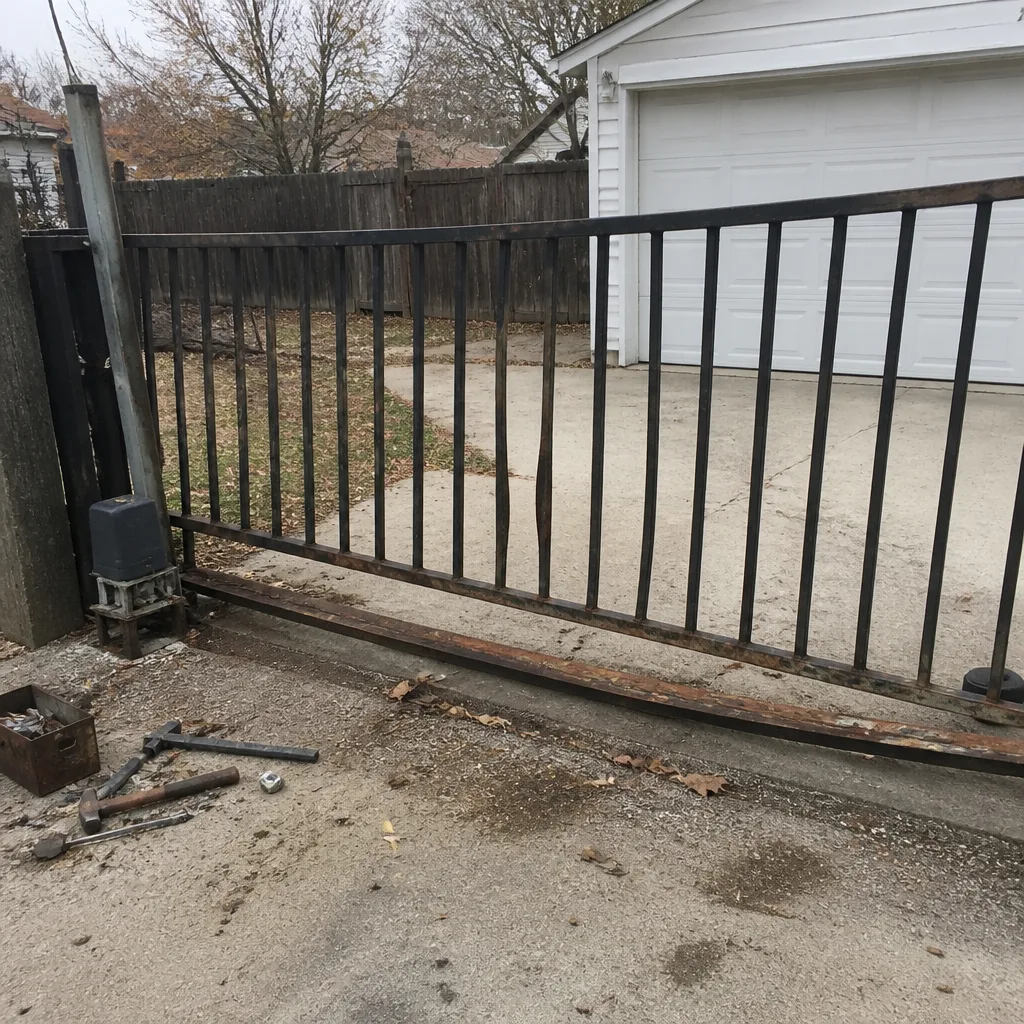 Before
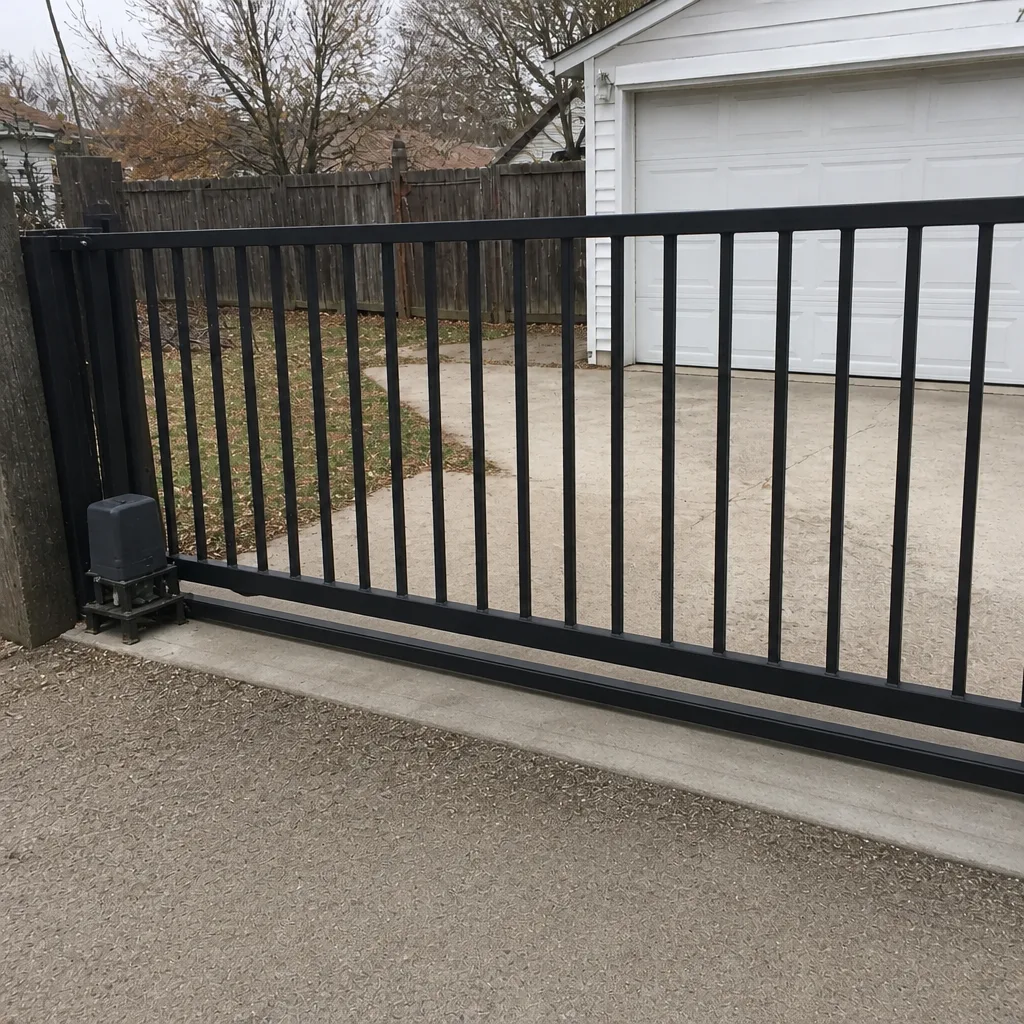 After
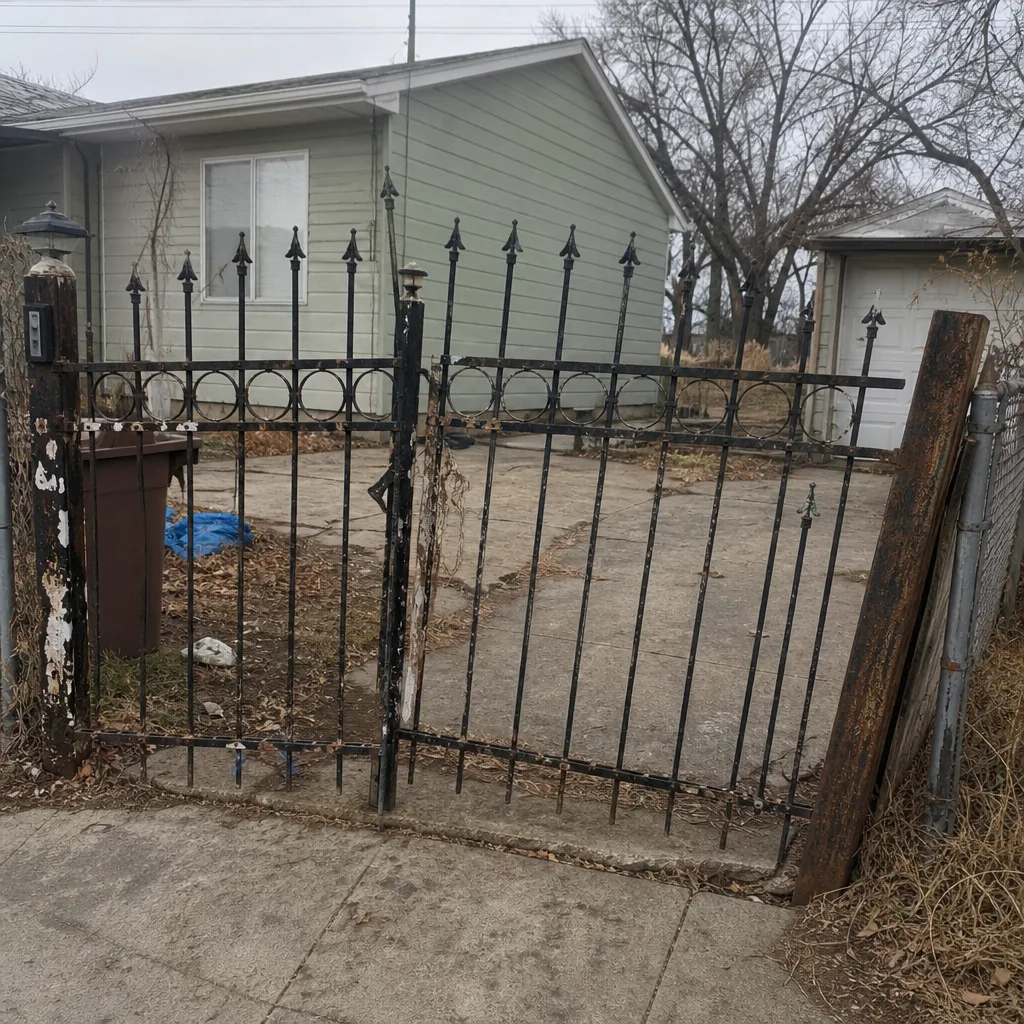 Before
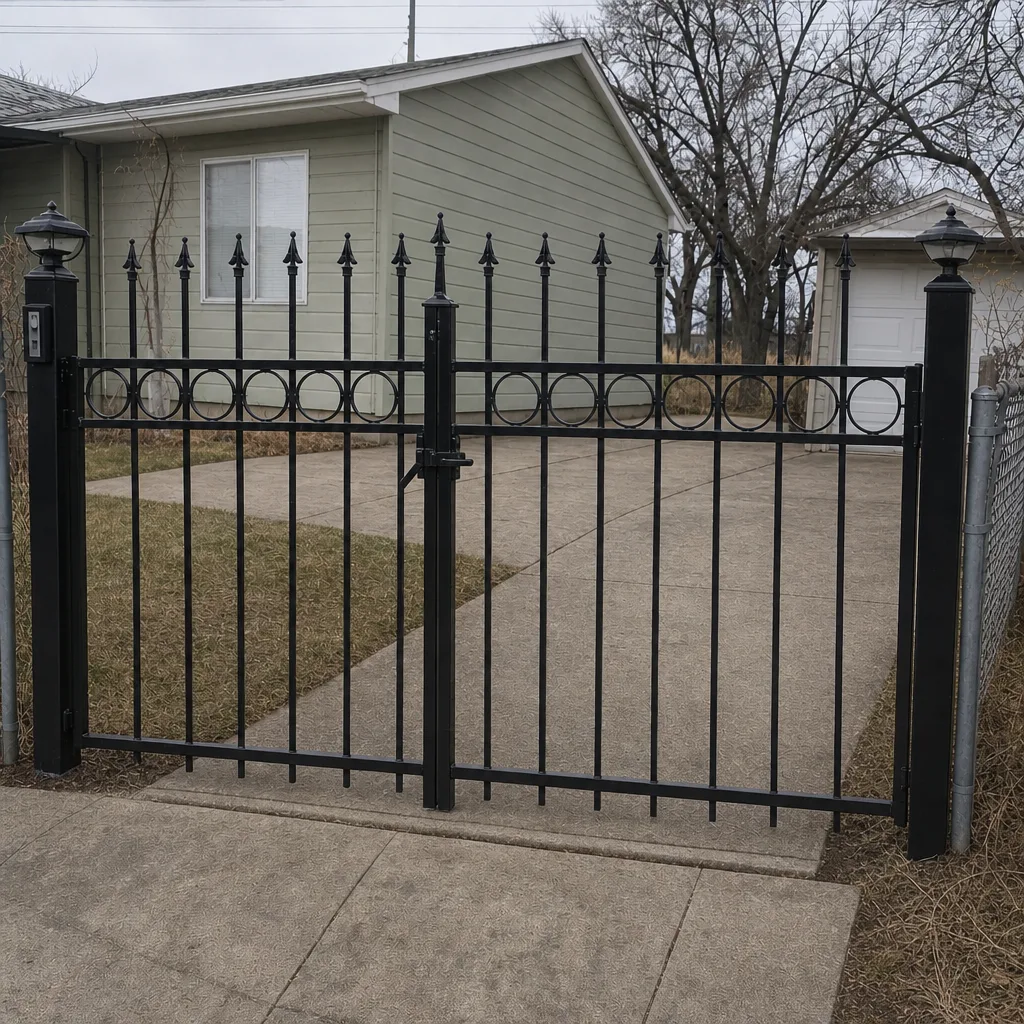 After
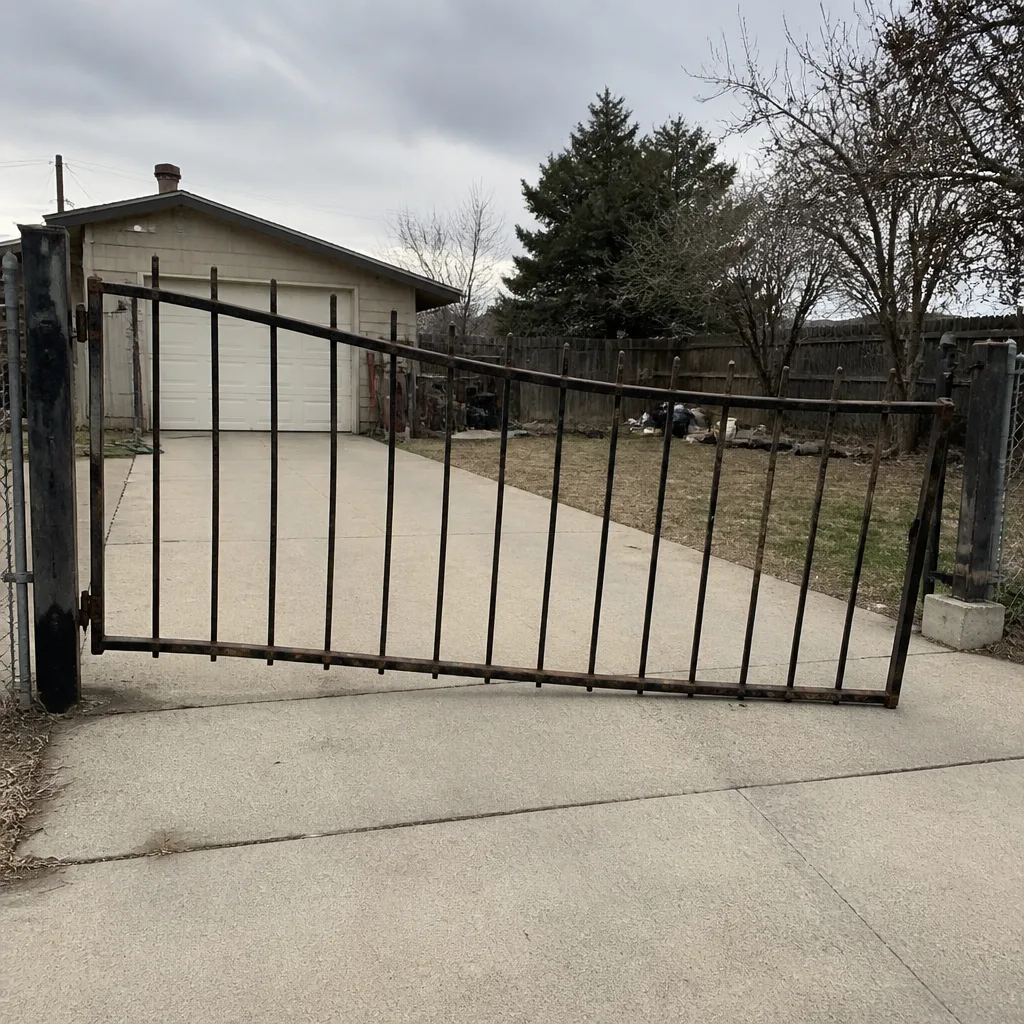 Before
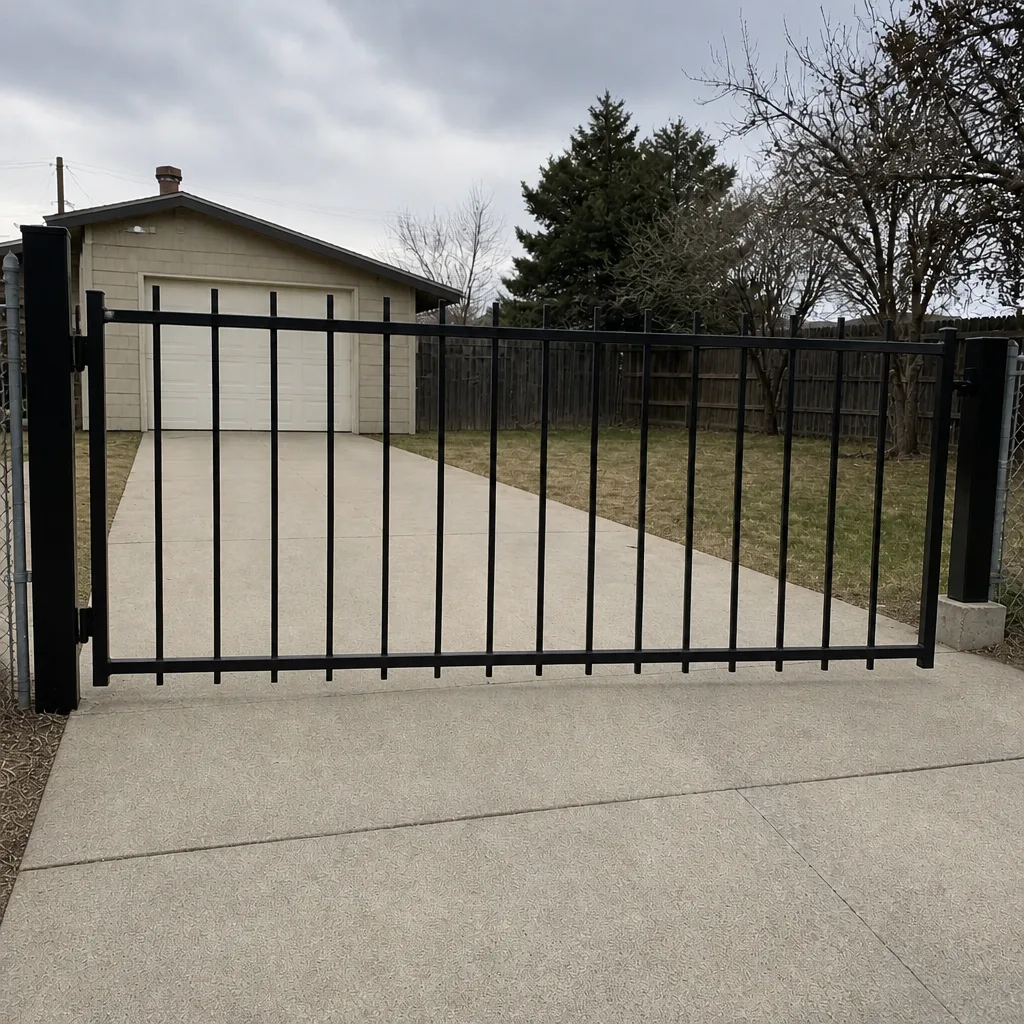 After
When to Call a Professional
Some gate issues are easy to inspect and some call for a technician right away. Call a professional if your automated gate reverses without obstruction, if the operator runs but the gate doesn’t move, if you see damaged wiring or a loose control board, or if the safety edge (the entrapment protection device) shows signs of damage or isn’t responding to a test. Also call when the gate’s motion has changed, such as dragging, slowing, or stopping at the same point each cycle; that’s often a mechanical or alignment issue that can get worse.
Whether the gate is residential or commercial, in Thornton or nearby, a specialist diagnoses the whole system: motor, control board, sensors, wiring, and mechanical components. If you’re not sure whether the problem is serious, describing the symptom over the phone is usually enough for a technician to tell you whether it can wait or needs a visit. If the gate has stopped mid-travel and the panel is hanging on a track or hinge, keep people and vehicles clear and call a professional first.
Gate Repair Thornton offers free estimates in Thornton. Call (866) 389-4610 to get started. We answer 24/7. Fast dispatch from 7am to 7pm, Sunday through Friday.
Frequently Asked Questions
Ask them about UL 325 entrapment protection and about how they diagnose a control board versus a motor. A specialist answers with specifics and names brands like FAAC, BFT, or Linear. A generalist hesitates or gives vague answers.
Colorado licensing for gate repair is handled at the local level, so there’s no single statewide trade license to check. Verify general liability and workers’ comp coverage instead, and ask whether the company is registered to do business locally. Call (866) 389-4610 for a free estimate and we’ll walk you through what to confirm.
Costs depend on the specific failure: a sensor or control board issue is usually less expensive than a motor or structural repair. The written estimate sets the final price, and the price is agreed before any work starts. Call (866) 389-4610 for a free estimate.
Ask before scheduling. A specialist works across brands like LiftMaster, FAAC, BFT, Linear, Viking, and others, and can tell you quickly whether they handle yours. We work on all nine major gate brands and will tell you directly if we don’t recognize your operator.
Often not reliably. Fence companies handle the structural side well but typically lack automation depth. Electric gate repair requires diagnostics on the motor, control board, sensors, and wiring, which is a different skill set from fence building.
Keep people and vehicles clear and call a professional, because a reversing gate can indicate a sensor fault or a safety edge issue. Don’t bypass the safety device. Call (866) 389-4610 and describe the symptom; we’ll help you decide whether it needs an immediate visit.
The Bottom Line
The biggest hiring mistake in Thornton is choosing a fence or garage-door company that treats gate repair as a side service. The fix is a short, specific vetting process: ask four diagnostic questions on the phone, verify liability and workers’ comp insurance, confirm brand familiarity before anyone arrives, and insist on a written, itemized estimate with the price agreed before work begins. A gate specialist answers all four questions directly, works across brands like FAAC, BFT, Linear, and Viking, and knows that repair begins with diagnosis, not replacement. Start with specificity, and the right contractor becomes easy to recognize.
Written by the team at Gate Repair Thornton.