
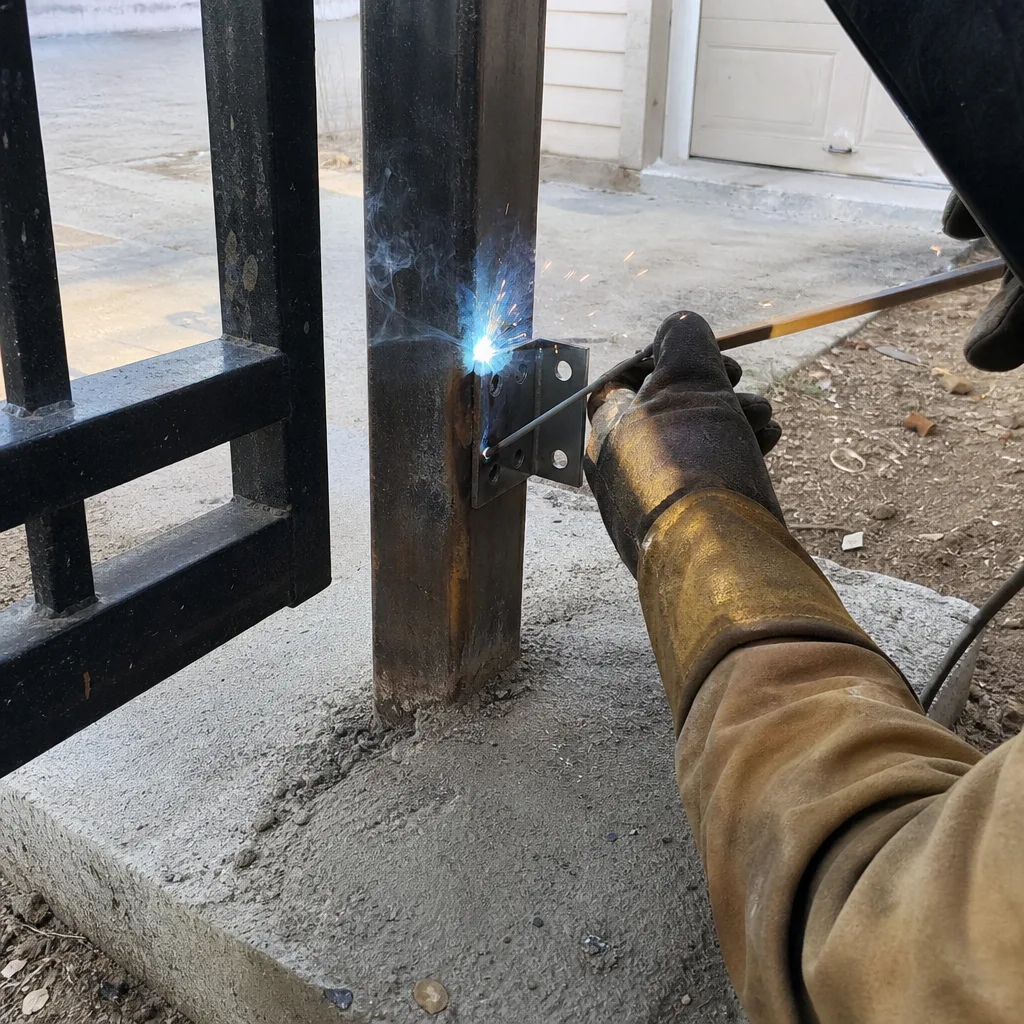
Last updated November 15, 2026
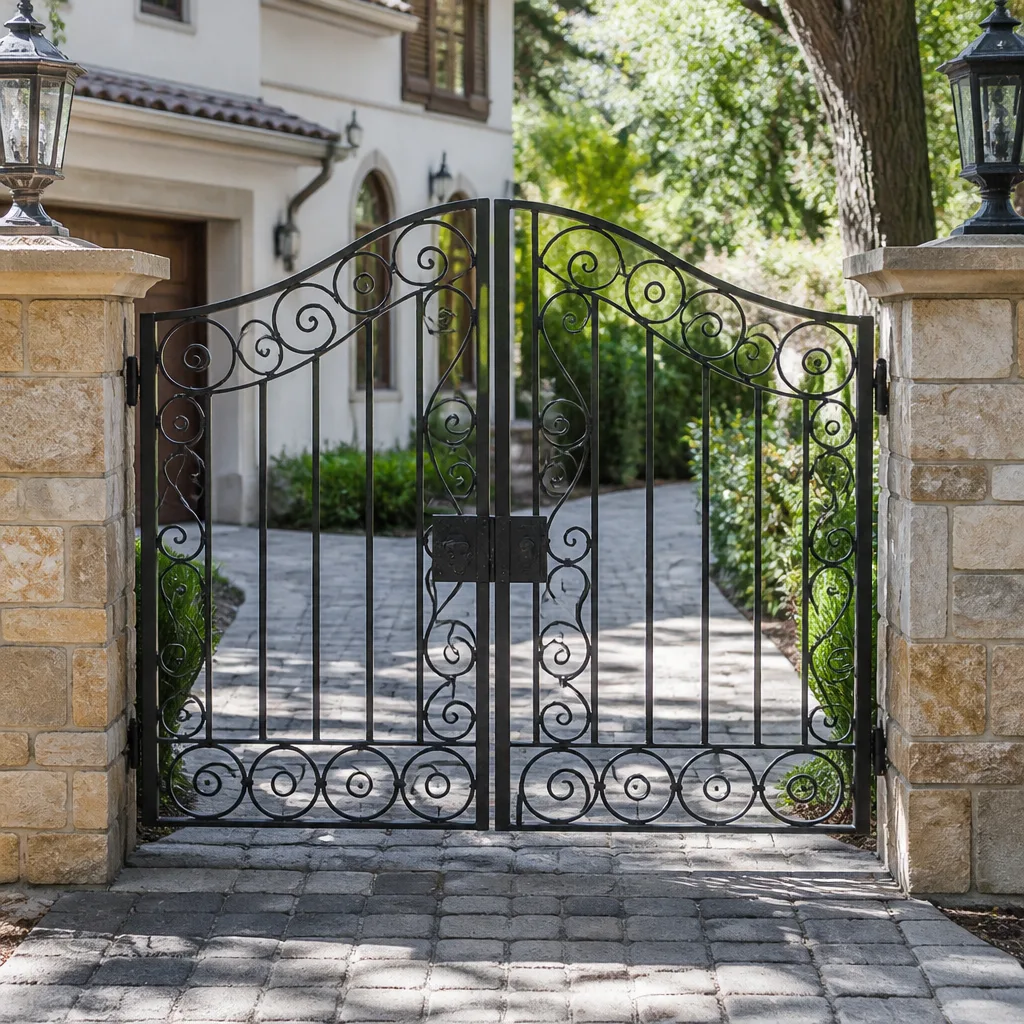 Wrought iron
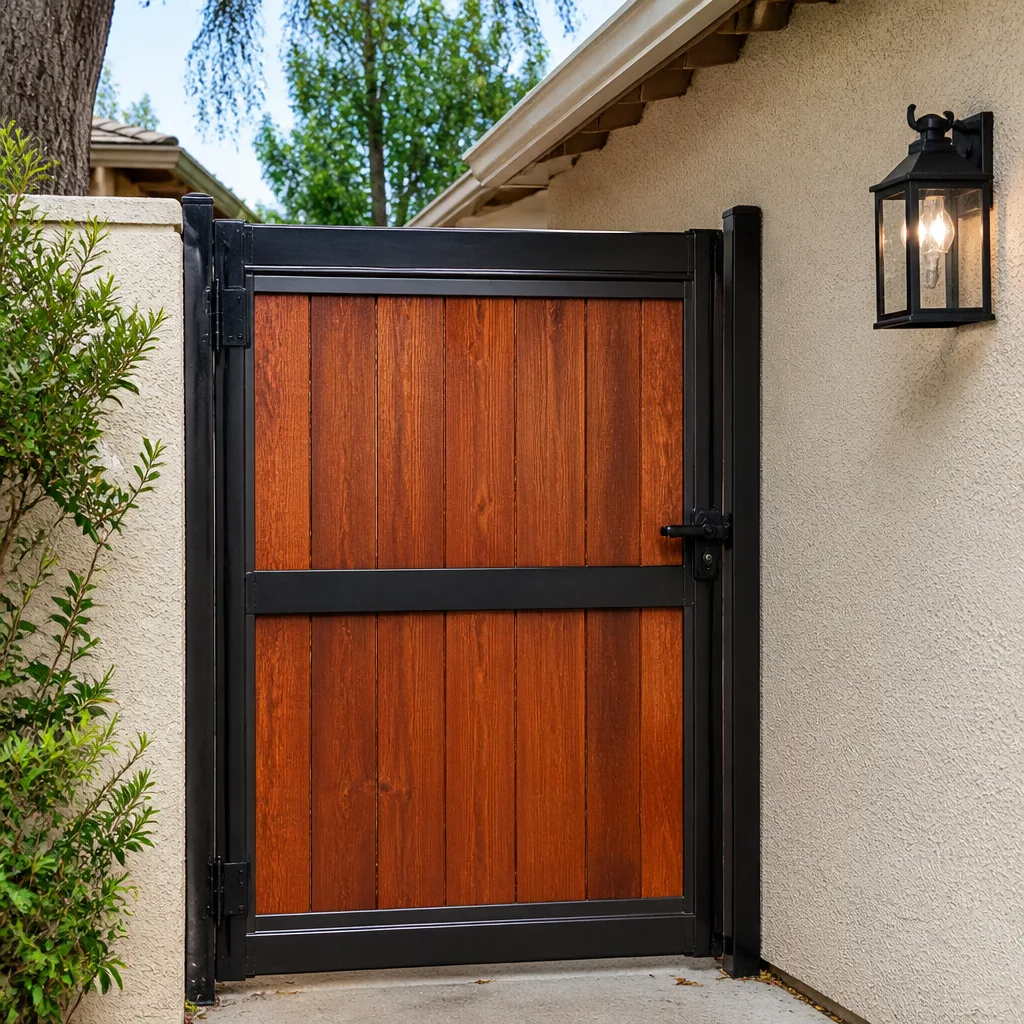 Wood & steel frame
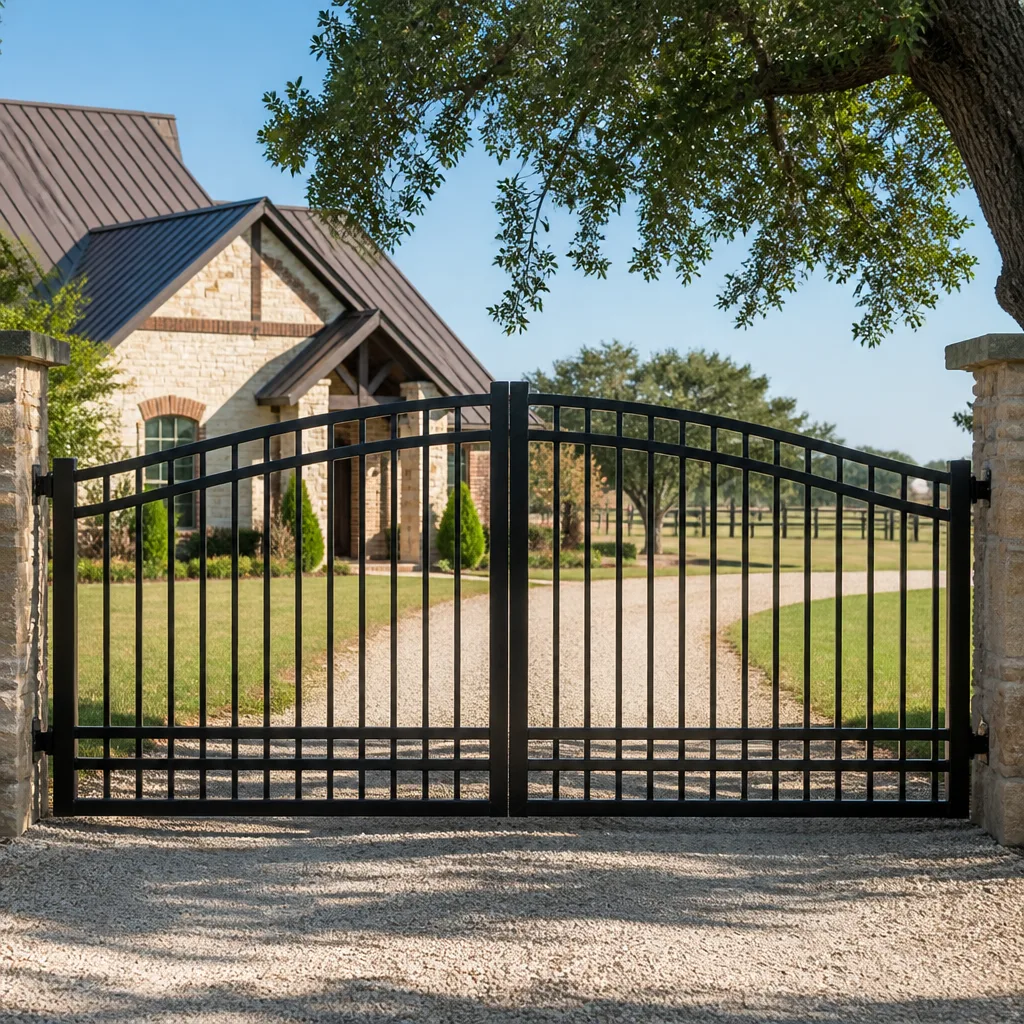 Farm & ranch
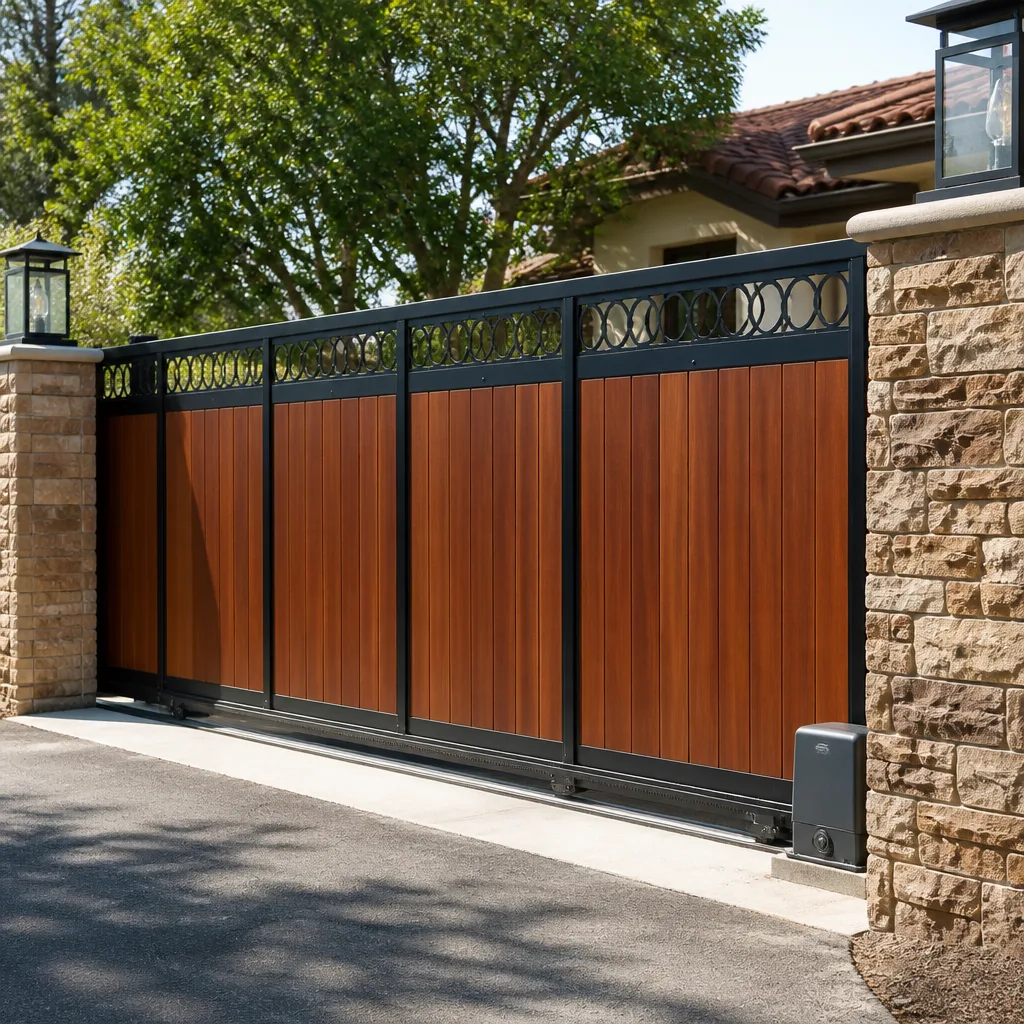 Sliding driveway gates
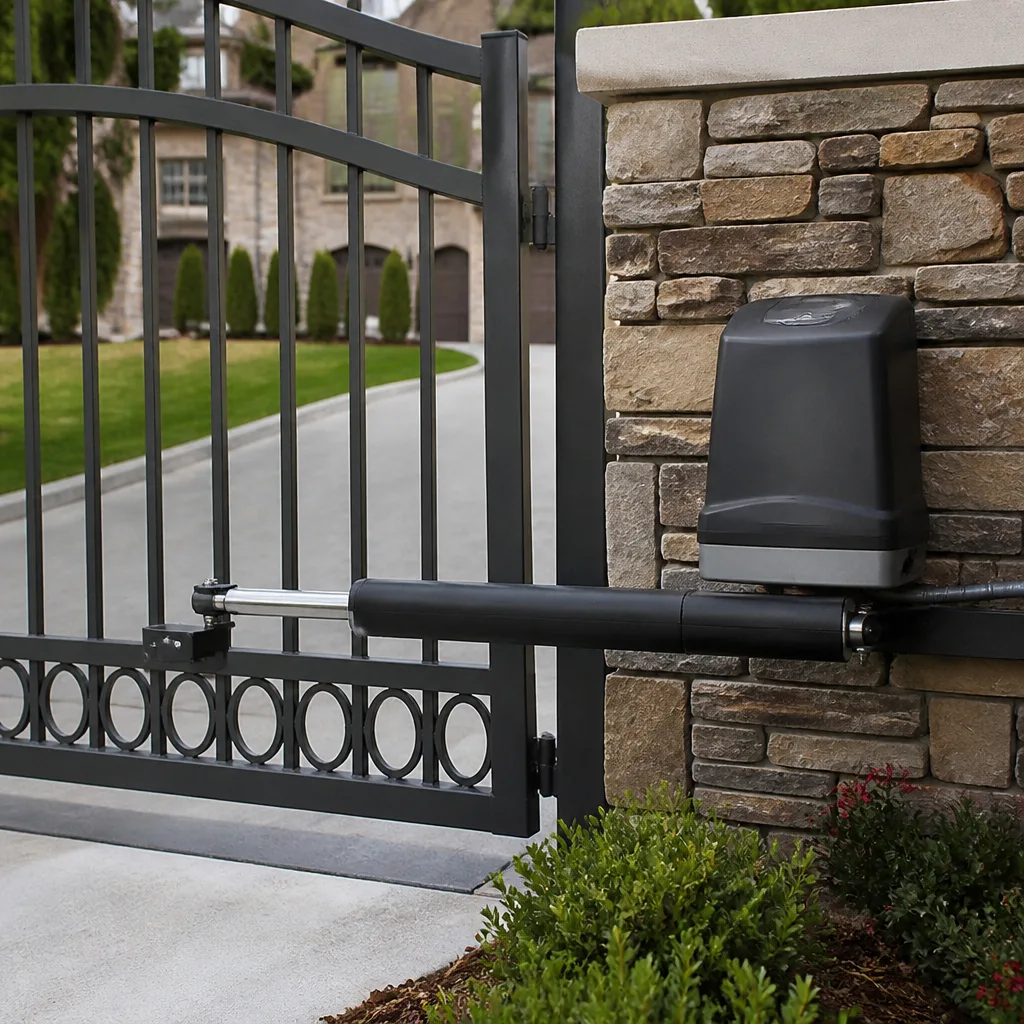 LiftMaster operators
Free on-site gate assessment - hinges, posts, and your LiftMaster or Nice gate operator checked before anything is quoted
The assessment is free and the quote is the invoice.
Get your free estimateGate Repair Permits, Codes & Inspections in Thornton, CO: What You Need to Know
Most homeowners assume that fixing a gate is always just a repair, and repairs rarely need paperwork. That assumption holds right up until the moment an operator gets replaced. A new motor, a new control board, or a rebuilt slide gate operator can flip a simple service call into a permitted construction project, and the homeowners who find this out after the fact are the ones facing the headaches. We’ve watched more than one Thornton property owner get caught off guard by this exact distinction.
In this guide, we walk through when the City of Thornton and Adams County require a permit for gate work, where the repair-versus-replacement line actually falls, how UL 325 entrapment protection gets checked at inspection, and how HOA overlay rules interact with city code in Thornton’s larger planned communities. You’ll also learn what a compliant contractor should hand you when the job wraps up.
Quick Answer
In Thornton, CO, routine gate repair usually doesn’t require a permit, but replacing a gate operator, altering a gate’s structure, or installing a new automated gate typically does. Automated gates must also meet UL 325 entrapment protection standards, and that compliance is verified during inspection. If you’re unsure which category your job falls into, confirm with the City of Thornton’s building department before work begins, since skipping the permit can affect your insurance coverage for any liability incident at that gate.
Styles & brands we work with
- Wrought iron
- Wood & steel frame
- Farm & ranch
- Sliding driveway gates
- LiftMaster operators
Table of Contents
- Repair vs. Replacement: Where the Permit Line Falls in Thornton
- When the City of Thornton and Adams County Require a Gate Permit
- How UL 325 Entrapment Protection Is Verified at Inspection
- HOA Overlay Rules vs. City Code: Which Authority Wins
- What a Failed Gate Inspection Means for Your Timeline and Costs
- The Paperwork a Compliant Contractor Should Hand You
- How Thornton’s Climate and Soil Affect Gate Longevity
Repair vs. Replacement: Where the Permit Line Falls in Thornton
The permit question hinges on one thing: are you restoring an existing gate to working order, or are you changing the system itself? That’s the distinction most homeowners get wrong, and it’s the one inspectors and permitting staff care about most.
Routine repair means swapping a worn component for a like-for-like part. A failed control board, a bad sensor, a motor that’s finally given out on a Linear operator, or a hinge that’s sagging. None of these change the gate’s design, its footprint, or its safety envelope. In practice, these jobs rarely require a permit in Thornton, and that’s the bulk of what we handle through our gate repair service.
Replacement is different. When you swap out a full operator for a new model, change the gate’s width or height, add automation to a manual gate, or alter the posts or footing depth, you’re altering the built system. That almost always crosses into permit territory. Three quick rules of thumb:
- Like-for-like part swap on an existing setup: usually no permit.
- New operator on an existing gate, or new automation: generally requires a permit.
- New gate, wider opening, or structural change: almost always requires a permit.
If you’re anywhere near the line, ask. Permitting staff would much rather answer a question up front than inspect a problem after the fact. And bear in mind that replacing an operator isn’t just a mechanical swap. The new motor has to meet the current entrapment protection standard, which is where most of the inspection risk actually lives. Our technicians have up to 15 years of experience working with both residential-grade operators and commercial high-cycle systems, and we see this trip up a lot of do-it-yourself installs.
When the City of Thornton and Adams County Require a Gate Permit
Thornton sits largely within Adams County, and both layers of government can have a say in how gate work is reviewed. The city handles most permitting and inspection for residential and commercial property within its limits, while the county’s rules matter most at the edges of town and for certain commercial or high-cycle installations. The practical takeaway for a homeowner is that you should confirm with the City of Thornton’s building department for anything beyond routine repair, and ask specifically about the operator replacement question.
The reason this catches people is that a lot of gate work gets lumped in with fencing. A fence repair usually doesn’t need a permit. But an automated gate carries a safety obligation a fence never has: it moves, it can trap someone, and it has motors and wiring. That’s why the permit trigger is usually the automation and the structure, not the fence line itself.
If you’re installing a brand-new automated system, or replacing a worn-out operator, this falls squarely within our electric gate repair and installation work, and we’ll walk you through what the permit picture looks like for your specific property before anything gets ordered or scheduled.
What typically triggers a permit
- Installing a new electric gate operator or adding automation to a manual gate.
- Replacing a full operator with a different model or manufacturer.
- Changing the gate’s width, height, posts, or footing depth.
- New wiring to a gate location, or a new power run for the operator.
- Altering how a slide gate tracks or a swing gate swings.
What usually doesn’t
- Replacing a single failed part with a like-for-like component.
- Adjusting sensors or safety edges that are already part of a compliant system.
- Repairing a hinge, latch, or keypad on an existing gate.
Avoid guessing here. A two-minute call to the building department before the job is far cheaper than discovering after an incident that your gate was never permitted.
How UL 325 Entrapment Protection Is Verified at Inspection
UL 325 is the safety standard that governs automated gate operators, and the short version is this: a powered gate must have a way to prevent it from crushing, pinching, or trapping a person or vehicle. That’s not something the operator handles entirely on its own. The operator relies on external safety devices to do its job, and at inspection, the whole system is checked together.
During inspection, the reviewer is checking that the installed operator has entrapment protection that matches its configuration. In plain terms, that means:
- Photoelectric sensors are positioned correctly at the gate opening and actually trip the gate into reverse when the beam breaks.
- Safety edges, where required, respond to contact by reversing or stopping the gate.
- The operator is wired so the safety devices are actually in circuit, not just mounted and forgotten.
- For slide gates, the entrapment zone and any obstruction detection are addressed.
- Manual release works, and the gate can be operated safely by hand in a power failure.
Where non-compliant installs go wrong: sensors mounted too high or too far back to catch a person, safety devices installed but never wired to the operator, an older operator swapped in without checking whether it can support the required safety accessories, or a gate that reverses too slowly after a safety trip. These failures are subtle at a glance and obvious to an inspector.
This is exactly why we don’t treat entrapment protection as an afterthought. Working across LiftMaster, FAAC, BFT, Linear, Viking, Ghost Controls, DoorKing, Elite, and Mighty Mule means the safety accessories and their wiring are familiar across the board. If your install needs the operator, sensors, and control wiring integrated correctly the first time, that’s where focused experience pays off. And to be direct about the risk: the moving gate and the low-voltage wiring are the dangerous parts here, so this is not a job for a weekend DIY attempt. A trained professional should verify the safety circuit end to end.
HOA Overlay Rules vs. City Code: Which Authority Wins
In Thornton’s larger planned communities, HOA rules stack on top of city code rather than replacing it. This is the question we hear most often: if my HOA approves a design, does that mean the city is fine with it? Not necessarily. The city enforces its own codes and inspection requirements, and the HOA enforces its own agreements. You generally have to satisfy both.
The practical result is a two-step approval process for any gate work that involves a visible change:
- HOA architectural review first. Many planned communities require approval before any change to a gate’s appearance, style, material, or color. Get that in writing before ordering anything.
- City permitting and inspection next. Once the HOA signs off, the city’s process still applies. HOA approval never waives a permit requirement.
Where people stumble is the order. Some residents get city permits and start work, then discover the HOA wanted a design review they never filed. Others get HOA approval and assume they’re done, only to learn a permit was required after all. The clean sequence is HOA approval, then permit, then work, then inspection.
For property managers overseeing gates across multiple units or a shared access point, this matters even more. Keeping a single point of contact from diagnosis through completed work cuts down on the phone tag between boards, managers, and contractors. If you’re managing a gate in a Thornton planned community, that coordination alone often saves more time than the repair itself. Our service covers both residential driveways and commercial and HOA systems, so the same conversation handles the visible gate and the operator behind it.
What a Failed Gate Inspection Means for Your Timeline and Costs
A failed gate inspection doesn’t usually mean starting over, but it does mean a re-inspection and, often, a correction visit. The timeline cost is the bigger issue. Depending on the inspector’s schedule and the nature of the correction, you may be looking at days to weeks of delay, and until the gate passes, a newly installed automated gate shouldn’t be relied on for access control.
Who pays for corrections depends on the contract you signed. If a contractor pulls the permit and the install fails because the safety devices were wired wrong or the operator wasn’t configured correctly, the correction is on that contractor. If the homeowner added a detail after the fact or a later modification caused a failure, that’s on the property owner. This is why the contract should be explicit about who is responsible for the permit, the inspection, and any correction work that follows.
The corrections that fail inspections most often are safety-related:
- Photoelectric sensors that were installed but not wired into the operator’s safety circuit.
- Safety edges that fail to trigger a reverse reliably.
- An operator rated for a lighter gate than the one it’s driving.
- New wiring that wasn’t done correctly or wasn’t inspected.
The good news: all of these are fixable, and a competent gate specialist can usually identify the problem quickly because they’ve seen it before. What you want is that diagnosis to happen before the inspector finds it. If a gate has already failed, call us and we’ll walk through what the inspector flagged and what it will take to bring the system into compliance.
The Paperwork a Compliant Contractor Should Hand You
When a permitted gate job is done properly, you should walk away with a paper trail you can hand to an insurer, a future buyer, or the next contractor. If you don’t get these, ask. A compliant job leaves evidence.
Here’s what to expect at completion:
- Copy of the permit as issued, with the permit number on your property record.
- Inspection sign-off or final approval from the city, confirming the installation passed.
- Operator documentation including the model number, manufacturer, and the entrapment protection accessories installed.
- Wiring diagram or configuration notes for the safety circuit, useful for any future repair.
- Written description of the work performed and the specific parts replaced.
- Manufacturer warranty paperwork passed through to you if the operator is under warranty.
For repairs without a permit, you should still get a written description of what was replaced and the brand used. That record is what protects you if the same component fails again, and it’s how the next specialist picks up where the last one left off. We’re experienced with FAAC and BFT on the high-cycle commercial side and with the residential-grade systems common in Thornton neighborhoods, so the documentation we hand over reflects the actual system installed.
How Thornton’s Climate and Soil Affect Gate Longevity
Thornton’s Front Range climate is hard on gates in ways that aren’t obvious from the gate itself. Long dry stretches, freeze-thaw cycles in winter, and the clay-heavy soils common along the Front Range all put stress on motors, posts, and hardware. Understanding the local conditions helps you decide when a repair is worth doing and when replacement, and its permit, makes more sense.
Freeze-thaw is the big one. Water gets into small cracks, freezes overnight, expands, and works at the gate’s moving parts and post footings. Over several winters, that cycling loosens posts, warps hinges, and stresses the operator’s mechanical components. Gates set in heavy clay soil can shift slightly with seasonal moisture, which throws off the alignment of a slide gate’s track or the swing arc of a double gate.
Dry summer heat is the other half of the picture. It hardens seals, dries out greased bearings, and puts strain on control board housings. An operator that runs fine in mild weather can act up on the hottest days of the year or the coldest nights in a hard freeze. If your gate only fails in extreme temperatures, that’s a clue the problem isn’t the motor itself but the mechanical load or the safety components.
The practical effect on repair-vs-replace decisions is real. A gate that’s needed three component replacements over a few seasons may be telling you it’s time to replace the operator, which brings the permit question back to the surface. Conversely, a well-built gate with a solid operator often just needs its worn parts rebuilt. Our job is to tell you honestly which case you’re in, without steering a repair into an install you don’t need.
Common Mistakes to Avoid
- Skipping the permit on an operator swap. Replacing a full operator is a common trigger for permit requirements, and skipping it can affect your insurance coverage if there’s ever an incident at the gate. Confirm with the City of Thornton before the job starts.
- Mounting safety devices but never wiring them. A photoelectric sensor that’s installed but not connected to the operator’s safety circuit isn’t protecting anyone, and it’s one of the most common reasons an install fails inspection in Thornton.
- Ordering the operator before HOA approval. In Thornton planned communities, the HOA review often needs to come first. Get the approval in writing before anyone places an order.
- Assuming an HOA sign-off satisfies the city. The two are separate approvals. An HOA can approve a design and the city can still require a permit and inspection.
- Hiring a generalist who treats a gate like a fence. Gates carry safety obligations a fence never has, and the entrapment protection details get missed when the crew doesn’t work on gate operators regularly. Single-trade focus matters here.
- Not asking for the paperwork at completion. A permit copy, inspection sign-off, and operator documentation are your protection down the road. If you don’t get them, ask.
- Attempting an operator or safety-device install alone. The moving gate, the motor, and the wiring are genuinely dangerous. A trained professional should verify the safety circuit because a DIY error here can hurt someone.
See the difference
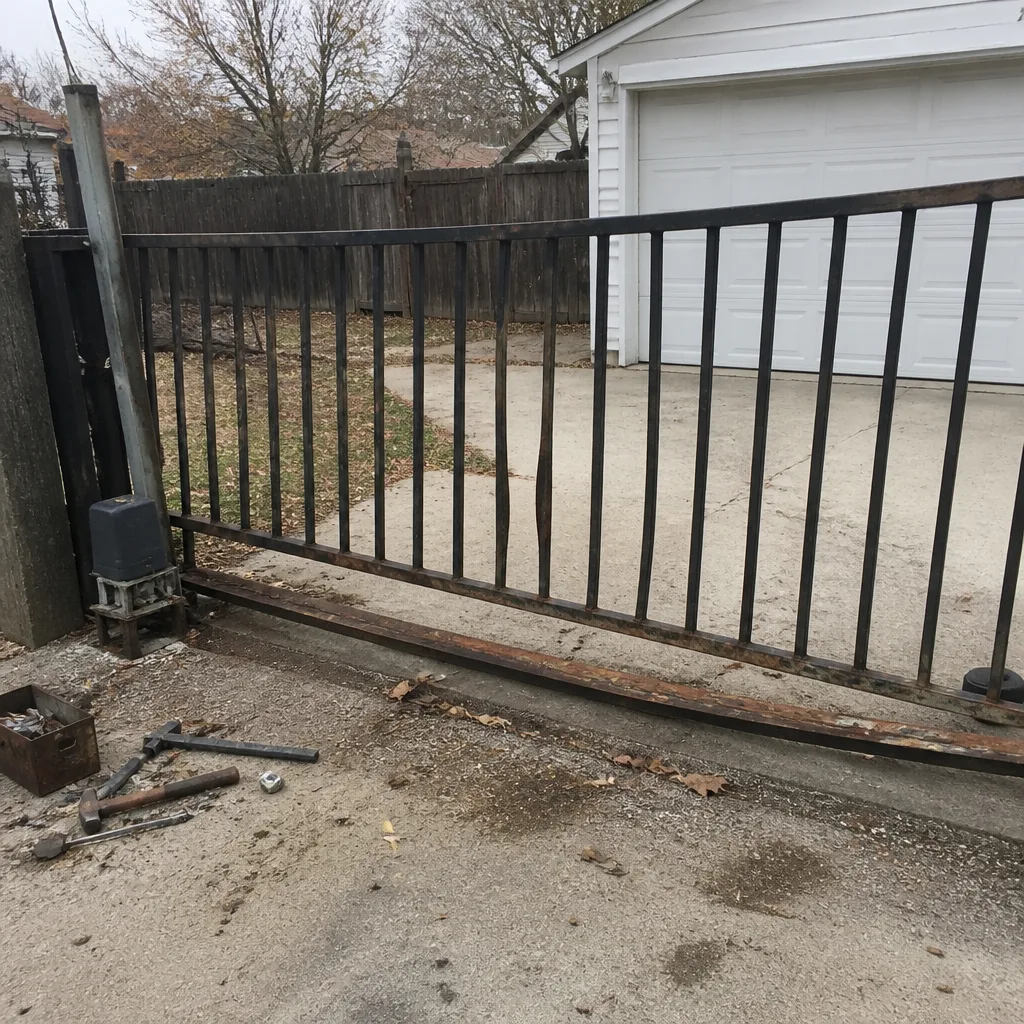 Before
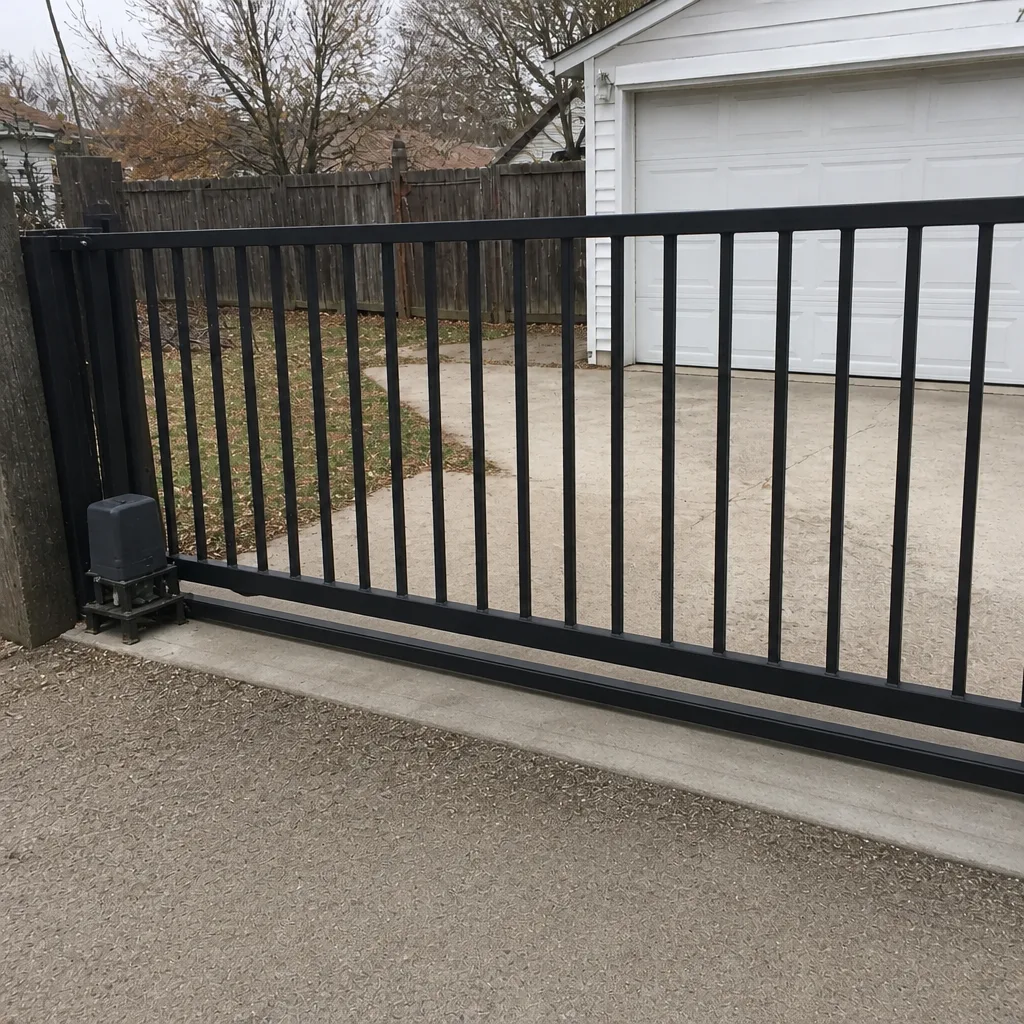 After
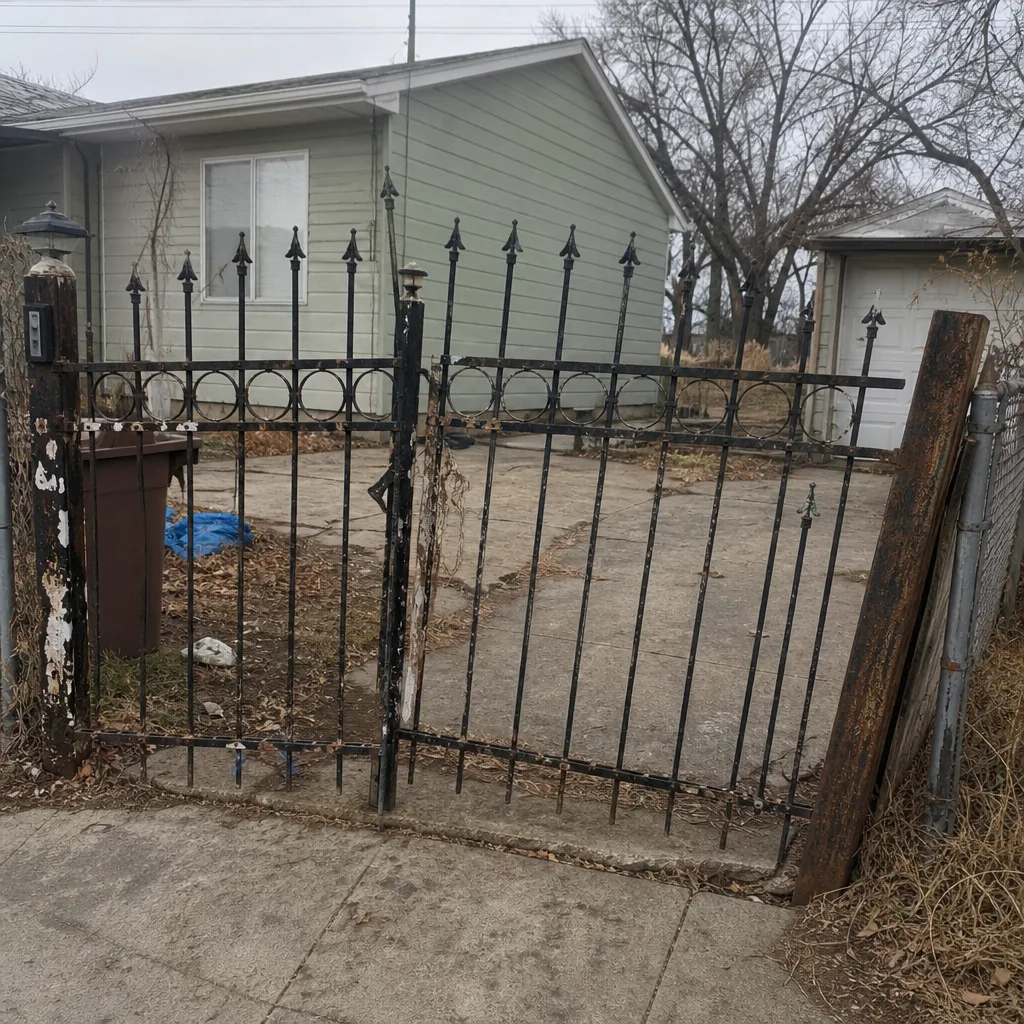 Before
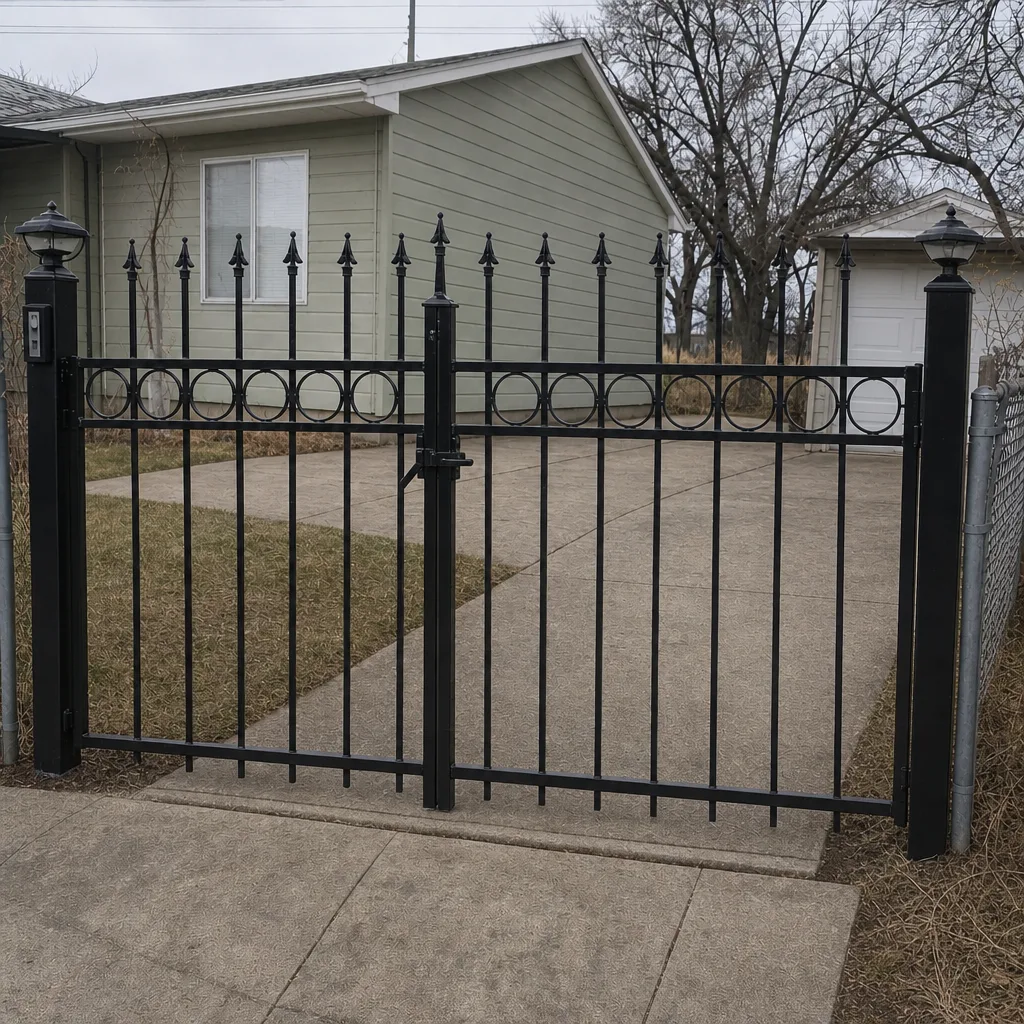 After
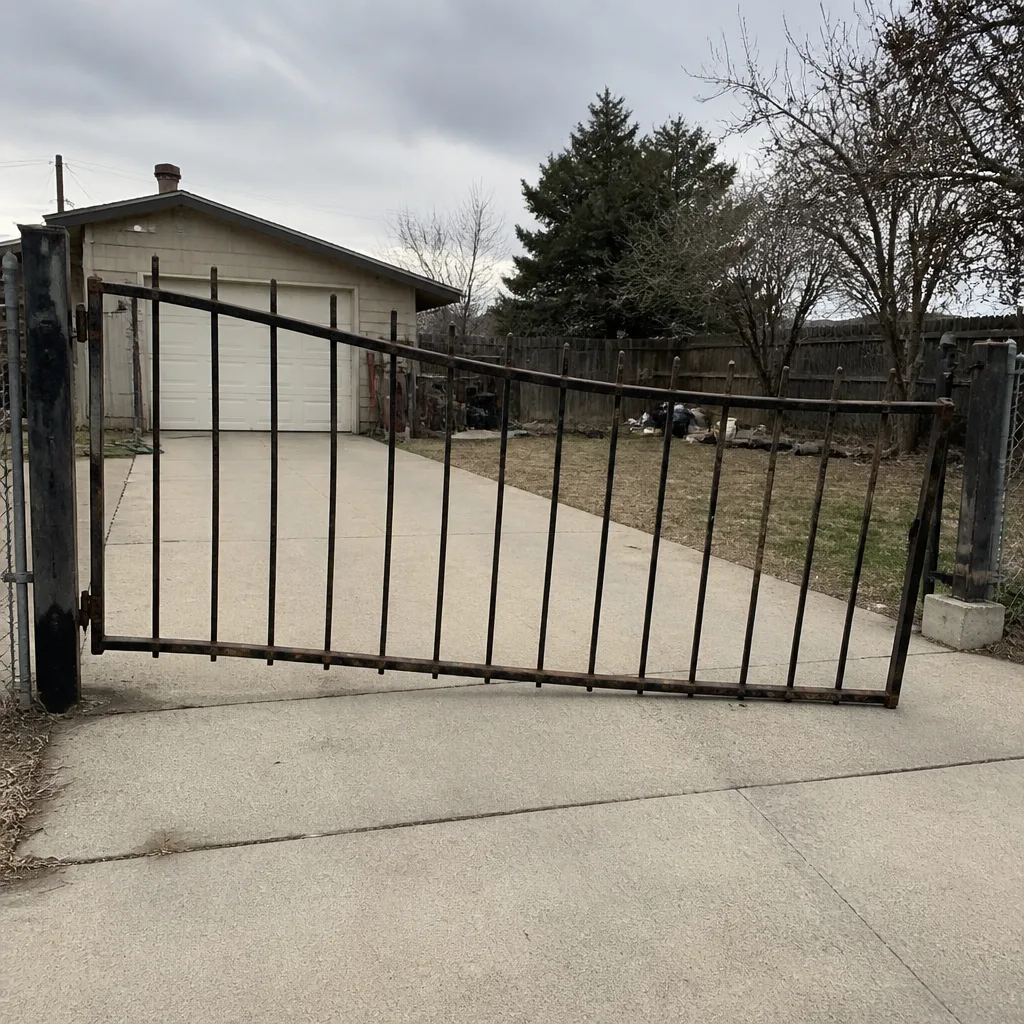 Before
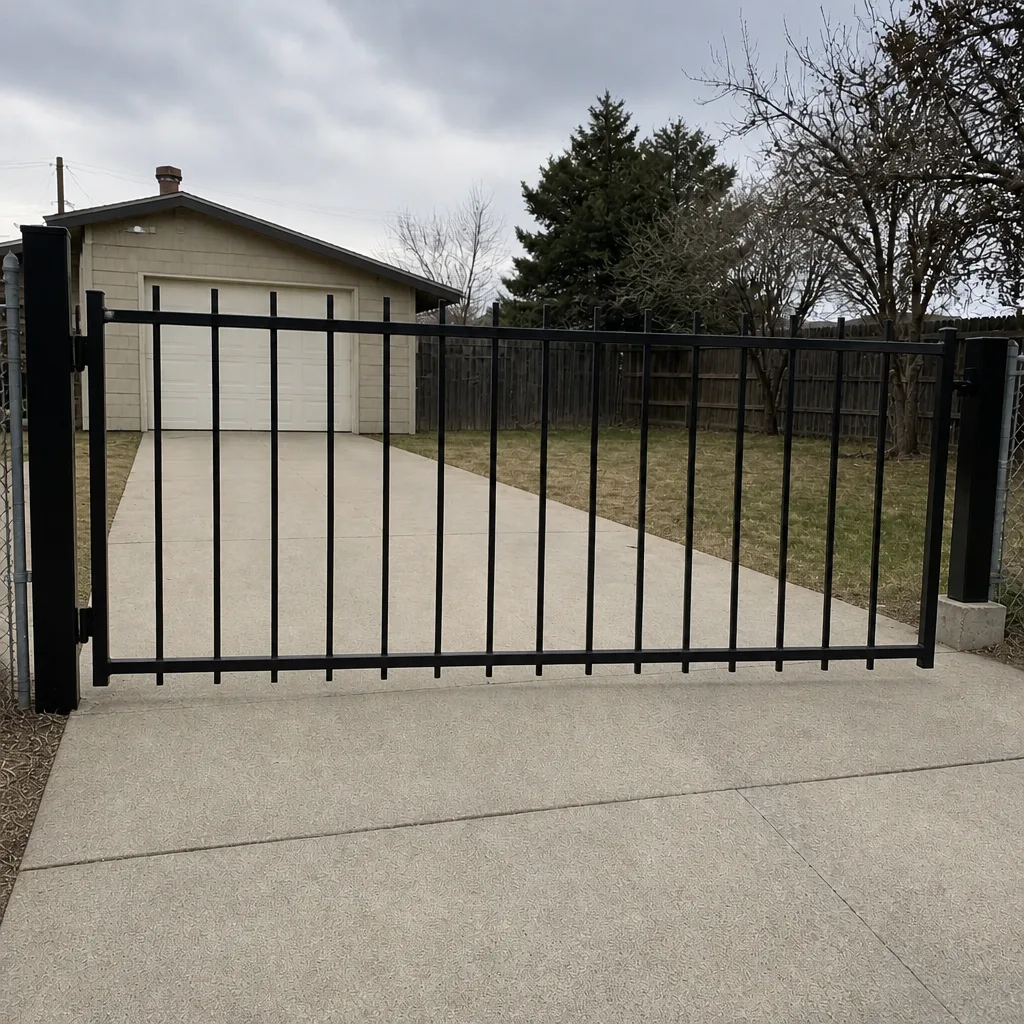 After
When to Call a Professional
Some gate problems are simple. But several situations are clear signals to bring in a specialist. If your gate operator is failing, if the gate reverses without warning or fails to reverse when it should, if a safety device has stopped working, or if you’re facing an operator replacement or new install that may require a permit and inspection, it’s time for professional eyes. The same goes for any gate work at a commercial property or HOA, where the safety and liability stakes are higher and the documentation requirements are stricter.
Our technicians have up to 15 years of experience across both residential and commercial systems, and we work across the brands you’ll actually find installed here. Gate Repair Thornton offers free estimates in Thornton. Call (866) 389-4610. We answer 24/7, with fast dispatch from 7am to 7pm, Sunday through Friday.
Frequently Asked Questions
Routine gate repair usually doesn’t require a permit in Thornton, CO, as long as it’s a like-for-like part replacement on an existing system. If the work changes the operator, the gate’s structure, the width, or adds automation, a permit is typically required. Call (866) 389-4610 for an exact quote on your repair, and we can help you sort out whether your job falls in the permit category.
Replacing a full gate operator is generally treated as a permit-triggering change, not a routine repair, especially when the new operator is a different model or the entrapment protection needs to be reconfigured. This is the single most common permit question we get from Thornton homeowners, and it’s the one worth confirming with the city’s building department before work begins.
UL 325 is the safety standard for automated gate operators that governs entrapment protection, and any powered gate in Thornton is expected to comply. Compliance means the operator has working safety devices like photoelectric sensors or safety edges that are actually wired into the safety circuit and verified at inspection. If your gate moves but you’re not sure the safety devices work, that’s a reason to call.
A failed gate inspection typically means a correction visit and a re-inspection, which adds days to weeks to your project timeline depending on the inspector’s schedule and the scope of the fix. Who pays for the correction depends on your contract. If the failure is due to the initial install, that’s generally the contractor’s responsibility, so it matters who you hire.
No. HOA rules in Thornton’s planned communities stack on top of city code rather than replacing it, so you generally need both an HOA approval and, where required, a city permit and inspection. The clean order is HOA review and approval first, then the permit, then the work, then inspection. HOA approval never waives a city permit.
Pricing depends on the specific repair and whether a permit is involved, so we don’t quote a figure over the phone. The price is set per job by the written estimate, and we quote it and agree on it before any work starts. Call (866) 389-4610 for a free estimate, and we’ll walk you through what the job involves.
The Bottom Line
The single most important thing to take from this guide: in Thornton, CO, routine gate repair usually isn’t a permit issue, but replacing an operator or altering the gate’s structure usually is. That distinction matters, because a permitted job doesn’t just protect you from code problems. It keeps your homeowner’s insurance coverage intact should there ever be a liability incident at the gate. Meet UL 325 entrapment protection properly, satisfy your HOA before the city if you’re in a planned community, and get the permit, inspection, and paperwork done right. If you’d like help sorting out where your job lands, we’re here to walk through it with you.
If you need gate specialists working on your brand, from the motor to the keypad, we handle repair, electric gate repair, and new installation across LiftMaster, FAAC, BFT, Linear, Viking, Ghost Controls, DoorKing, Elite, and Mighty Mule. Whether it’s a quick fix or a full system install, one point of contact takes you from diagnosis through completed work. Call (866) 389-4610 for a free estimate. We answer 24/7, with fast dispatch from 7am to 7pm, Sunday through Friday. Let’s get you back up and running.
Written by the team at Gate Repair Thornton.